
Capcom is not exactly sneaking through 2026, is it? The company has spent the last few years riding high, and the conversation around its so-called golden age still has plenty of fuel. The spark for the latest round of chatter came from Monster Hunter Wilds, the monster-hunting juggernaut that launched in early 2025 and promptly sold more than eight million copies in just three days. That is no small feat. It made Wilds the fastest-selling Capcom title ever, and by most estimates it likely pulled in over half a billion dollars in revenue. For a publisher that once had players wondering which way the wind was blowing, that is quite the glow-up.
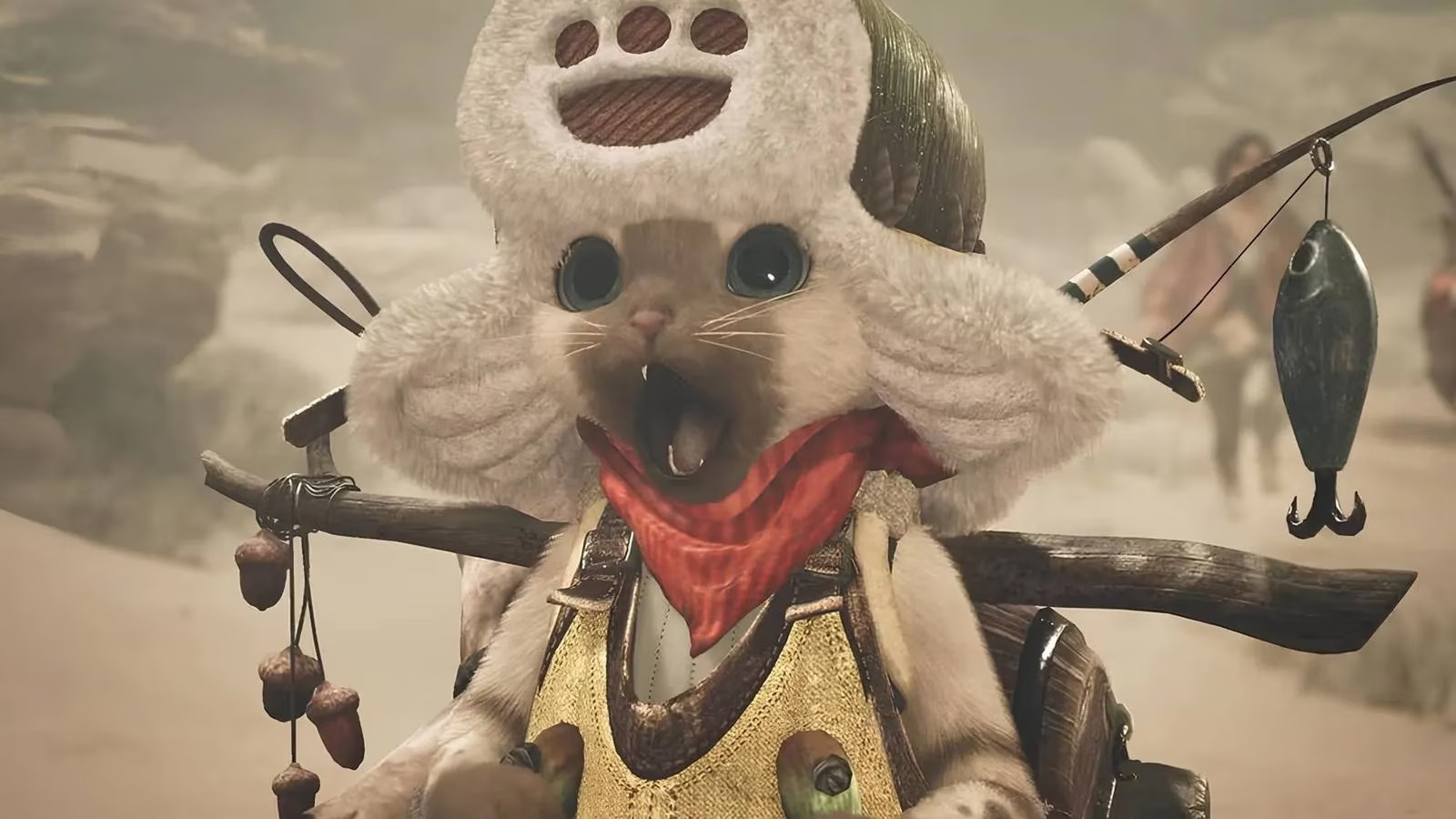
Senior producer Ryozo Tsujimoto did not shy away from the moment. In an interview with IGN, he said Capcom is going through a golden era, and then added the kind of line that sounds both grateful and slightly nervous: now the team has to do everything it can to make that era last 'one more year, one more year, and every year, one more year.' It is a very human way to put it. Success is great, but keeping success is the hard part. Takayuki Nakayama echoed the mood, calling it 'a very exciting time' to be working at Capcom and developing new projects across its studios. Tsujimoto’s position also changed in a way that could matter: he was promoted to Chief Product Officer at Capcom, putting him in a stronger spot to shape what comes next.
So how did Capcom get here? Look back about eight years and the picture was not all sunshine. Resident Evil 6 and Revelations 2 had left some fans cold, and the company needed a reset. Then came Resident Evil 7, Monster Hunter World, and later Dragon’s Dogma 2, which sold over 2.5 million units. That run helped Capcom flip the script. The proof is in the pudding: Capcom went from 'what happened to them?' to 'what are they cooking next?' in a surprisingly short stretch.
| Capcom moment | Why it matters |
|---|---|
| Monster Hunter Wilds | 8M copies in 3 days; fastest-selling Capcom game ever |
| Resident Evil 7 | A bold reset that helped rebuild trust |
| Monster Hunter World | A global breakthrough for the series |
| Dragon’s Dogma 2 | 2.5M+ units, showing appetite for niche-ish RPGs |
| Dino Crisis trademark renewal | Fuel for remake/revival dreams |
The future is where things get juicy. Rumors about Resident Evil 9 have been floating around, though solid details remain thin. Capcom has also renewed the Dino Crisis trademark, with reports saying the application went in on March 4, 2025, and was published a week later. That does not guarantee a new game, but fans immediately started connecting dots. With new Onimusha and Okami projects in the works, a Dino Crisis return, or at least a proper remaster, suddenly feels less like pure fan fiction and more like a possibility. 😅
The interesting part is that Capcom’s golden age is not built on one genre or one lucky hit. It is a juggling act of horror, hunting, action RPGs, and legacy franchises. That variety gives the company more chances to score, but it also means every release carries a little extra pressure. Players are quick to notice when a publisher is on a roll, and they are even quicker to notice when the roll stops. In 2026, the hype train is still on the tracks, but the next station is always the real test.
Of course, the golden age is not a permanent state. It is a streak, and streaks need maintenance. Capcom’s next releases will decide whether this is a victory lap or just another good chapter. For now, though, the company is sitting pretty. Players are happy, the portfolio is stacked, and the memes are flowing. Whether Capcom can keep the ball rolling for 'one more year' is the million-dollar question, but the early 2025 momentum suggests the answer is not a hard no. The wilds are calling, and everyone is watching to see where Capcom goes next.