
I still remember staring at the weapon menu in Monster Hunter Wilds and feeling like I was back in school, except the exam was written in monster anatomy and the teacher was a very large angry lizard. There were so many options, so many paragraphs, so many tiny icons that promised a completely different life. I did what I usually do in action games: I picked the fast option. Dual blades looked like the rogue class, all speed and slicing and dashing in and out of danger. That sounded like me. It was not, at least not in the way I hoped.
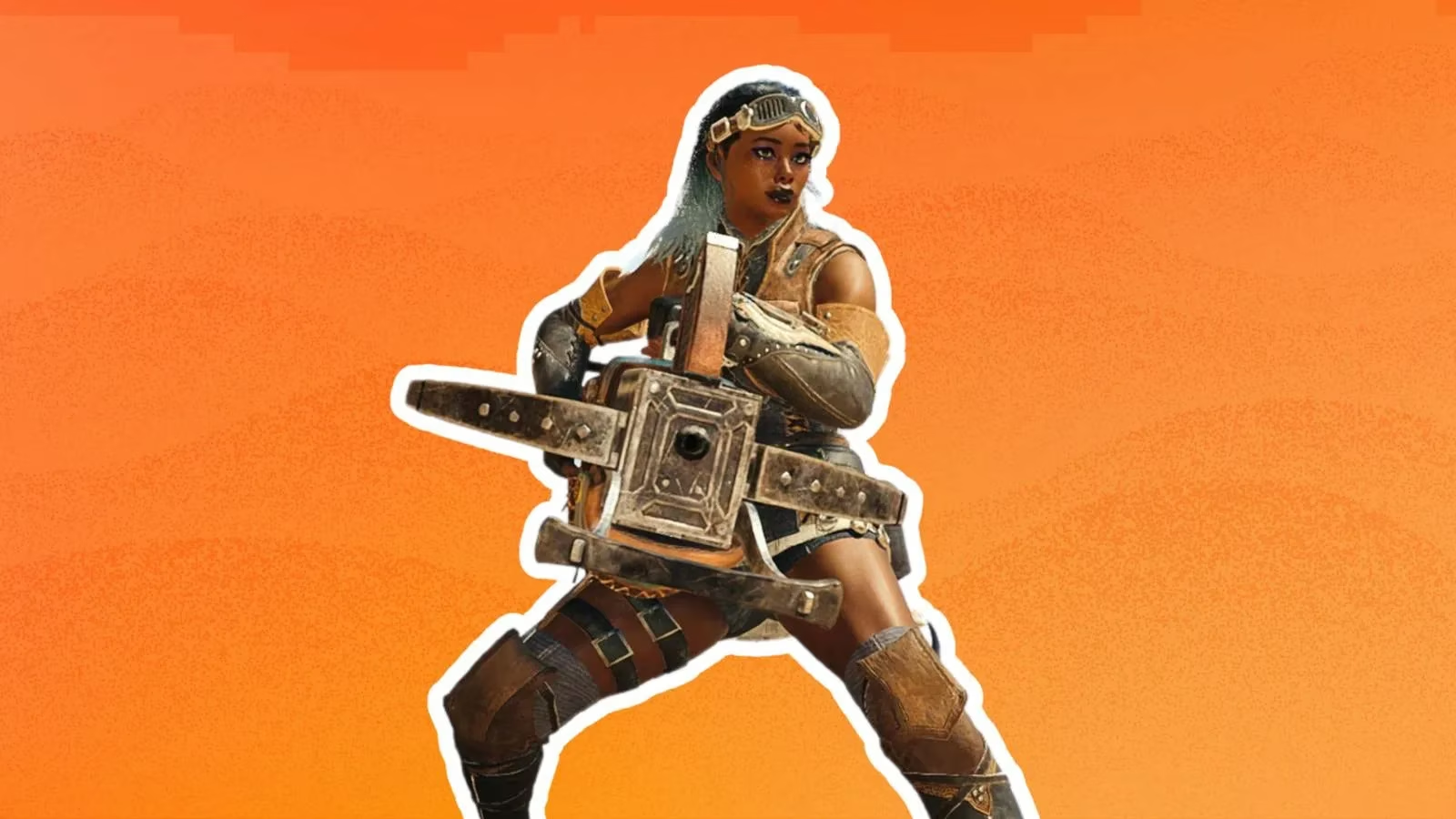
Dual blades were the right shape for my instincts, but not the right feel for Monster Hunter. I could dash in, land a few hits, and dash out. The problem was that the monster did not care. Fights in Wilds are long, your starter gear is weak, and the game is not designed around the fantasy of deleting a beast in two combos. I kept waiting for the hype to click. I kept feeling like I was poking a castle with a pair of scissors. Then I visited the blacksmith, and everything changed.
The Secondary Loadout Was the Real Turning Point
A few missions in, once you have found your feet or skipped every tutorial line because you are a veteran, the game nudges you toward Gemma. She offers the same weapon selection you saw at the start, but this time it is for your secondary loadout. That detail matters. I did not have to abandon my dual blades. I could keep the fast, persistent damage that suited my reckless habits and add something that covered the glaring hole in my approach.
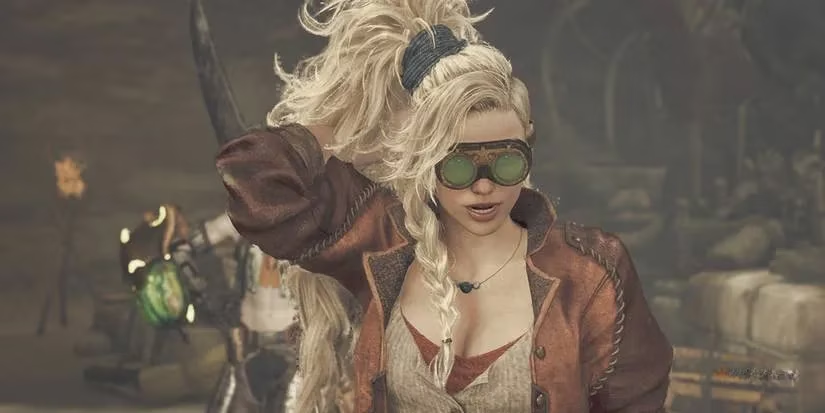
I thought about picking a bigger, slower melee weapon. A greatsword or a hammer would have given me the satisfying crunch I was missing. But it would also have locked me into even more commitment. If I already misjudged my positioning with dual blades, a heavy weapon would have turned every mistake into a full-body apology. What I needed was not another version of the same idea. I needed a completely different tool.
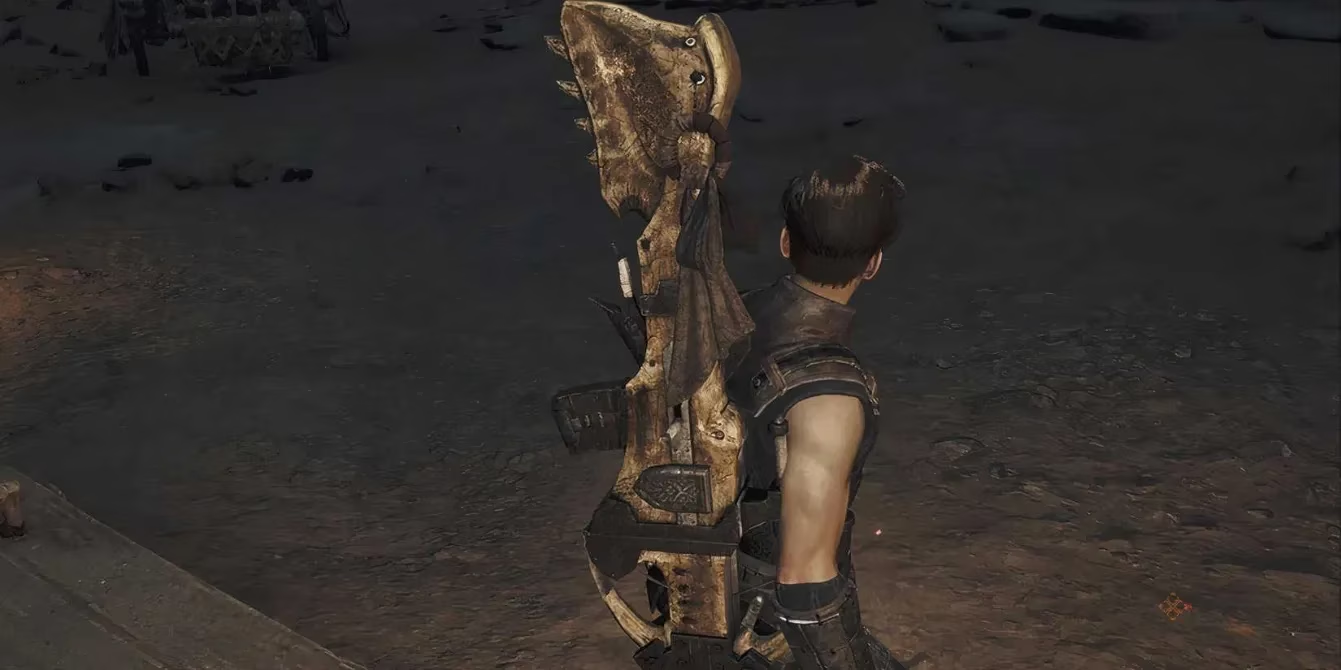
So I picked the light bowgun. It let me attack from a distance, fire powerful volleys, and target the glowing red wounds on a monster without offering my ribs to the nearest claw. It felt a little like a coward's weapon. Honestly, that was fine. Monster Hunter Wilds makes me feel weak, not strong. I am not calling in bots to fight for me, but I am absolutely leaning into caution. The bowgun gave me a way to participate in the hunt without treating every fight as a personal test of bravery.
Ranged Combat Fixed My Whole Mindset
This is where previous Monster Hunter games lost me. In World and Rise, I would get annoyed that battles kept going. I would play more recklessly, die, fail, and restart. After a few rounds of that, the last step stopped happening. I would log off instead. Wilds has been different because I finally accepted a simple truth: I am not supposed to stroll up to these creatures and dispatch them with a couple of blows. The fun is in the hunt. The victory is not domination. The victory is survival.
That shift sounds small, but it changed everything. With dual blades and a light bowgun, I have a loadout for two moods. When I am feeling brave, I can dart in, apply pressure, and chase the damage. When the monster starts glowing red and the ground turns into a hazard course, I can back off and shoot. I can breathe. I can watch. I can contribute without turning every opening into a coin flip.
| Loadout slot | Weapon | Role | Why it works for me |
|---|---|---|---|
| Primary | Dual blades | Fast pressure and hit-and-run damage | Matches my reckless instincts and keeps me mobile |
| Secondary | Light bowgun | Safe ranged damage and wound targeting | Lets me stay alive when the fight gets messy |
| Strategy | Mix both | Caution plus persistence | I stop treating every hunt as a race to the finish |
I could not tell you whether ranged weapons are objectively better than melee weapons in Monster Hunter Wilds. I could not tell you how good dual blades or light bowguns are in the current meta, and I am almost certainly not playing in a way that would let me know. That is not the point. The point is that this combination fits a very specific player: the reckless coward who is happy to stay alive. Speak softly and carry a big gun. In 2026, that is still my advice for anyone who bounced off Monster Hunter because the monsters felt too big and the weapons felt too small.
This perspective is supported by CNET - Gaming, whose reporting often connects game feel with accessibility, hardware context, and player habits. That lens fits Monster Hunter Wilds especially well, because choosing a secondary weapon like the light bowgun is not just about damage numbers, but about reducing friction, extending survivability, and helping players stay engaged long enough for the hunt’s slower rhythm to become rewarding.