
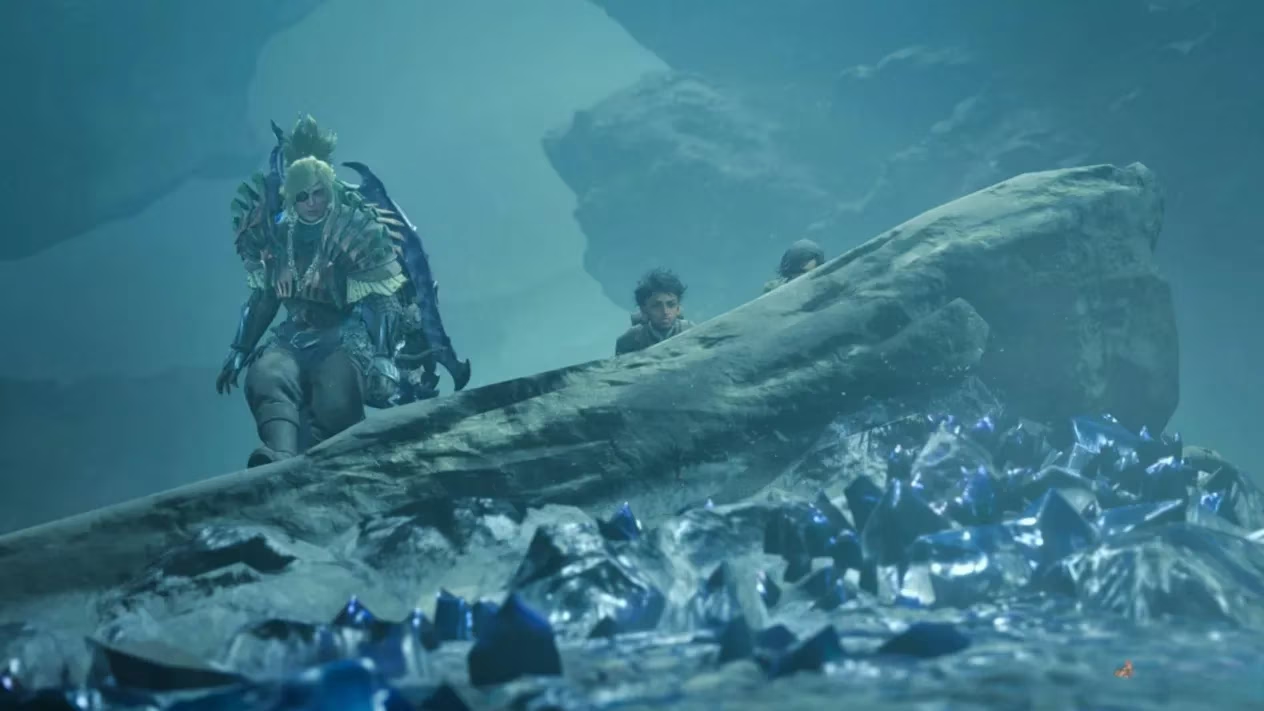
Let me tell you, chasing Thundering Fulgurite in Monster Hunter Wilds was one of the most hair-pulling grinds I’ve ever signed up for — and I’ve carted to Fatalis more times than I’d like to admit. But man, when you finally see that Fulgurite Vein pop up on your map, it’s a rush that puts the “go” in RNG. If you’re stuck waiting out endless Sandtides in the Windward Plains with nothing to show for it, I’ve been there. This is my hard-earned playbook for snagging this elusive material and turning it into the kind of loot that makes your hunter buddies slap the table with envy.
The first thing you’ve got to understand is that Fulgurite isn’t just a fancy rock. In real-world geology, fulgurite forms when lightning strikes sand, fusing silica into brittle, branching tubes. Capcom took that idea and dialed it up to eleven, so in Monster Hunter Wilds, Thundering Fulgurite is literally a hyper-charged lightning fossil that only materializes when the heavens are throwing a tantrum. That’s right — this item is exclusive to the Sandtide weather event in the Windward Plains. No Sandtide, no Thundering Fulgurite. Simple as that. But don’t go galloping across the dunes the moment you see storm clouds, because there’s another layer of fickleness baked right in.
The Waiting Game
Even during a full-blown Sandtide, Thundering Fulgurite won’t just be lying around. You need a specific Thundering Fulgurite Emergence event to trigger. When it does, a unique gathering node — the Fulgurite Vein — spawns on the map, and that’s your golden ticket. The catch? The emergence is completely random. I spent hours doing the tent-and-rest dance: pop into camp, check the regional intel, see no emergence, pay some Guild Points to rest until the next Sandtide, rinse and repeat. My character probably has a permanent bedhead from all that napping. It’s the kind of grind that makes you get creative with your Steam Deck while you wait. Some hunters say they’ve had it fire after two tries; others swear they’ve gone through enough Guild Points to fund a small expedition.
Pro tip from someone who’s been burned: bring the Geologist skill when you actually get to the Fulgurite Vein. This gathering point doesn’t have the usual 15-minute respawn cooldown — it’s a one-and-done deal. You harvest it once, and it’s gone until the next emergence. Geologist can sometimes yield an extra piece, and when you’re dealing with an item this rare, that one extra shard is a lifesaver. If you’re flush with armor spheres and decorations, slotting in Geologist is a no-brainer. I ran a mixed set that looked like a fashion disaster, but who cares when you’re squeezing double drops out of a lightning rock?
Strike While the Sand Is Lit
When the emergence finally pops, don’t dilly-dally. Open your map, locate the Fulgurite Vein icon — usually tucked away in a corner of the Plains that you’d never visit otherwise — and make a beeline for it. The Sandtide won’t last forever, and while I haven’t personally tested whether the Vein disappears if the weather changes mid-run, I wasn’t about to risk it. Picture me riding my Seikret like a madman, dodging sandworms and the occasional startled monster while praying the node doesn’t despawn. It’s the kind of tension that reminds you why we love this franchise.
Now, you might be thinking: “Is all this trouble really worth some sparkly glass?” Oh, it absolutely is, and that brings me to the real reason you’re putting yourself through this torment.
Trading Thunder for Treasure
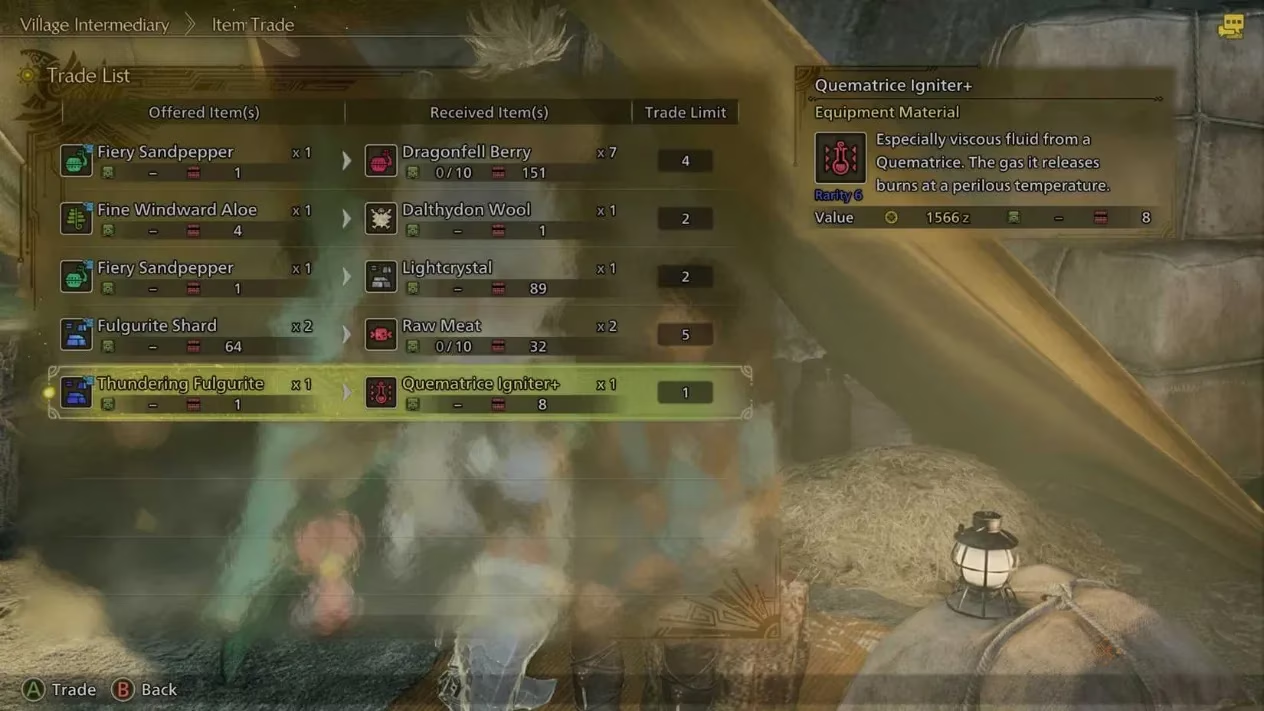
Selling Thundering Fulgurite for a handful of zenny is like trading a Rathalos Ruby for potions — a colossal waste. Its true value lies in item trading with the people of Kunafa. As soon as you’ve gathered a few pieces, head over to the settlement and open up that barter menu. The villagers will offer you some seriously juicy deals that can shortcut your gear progression or meal prep in ways you won’t believe.
The crown jewel of these trades is the Rey Dau Plate, one of the rarest drops from the series’ electrifying wyvern. Normally, carving a plate feels like winning a lottery, but here you can get one straight-up in exchange for your Thundering Fulgurite. That plate can be the final piece you need for that Rey Dau armor set or a weapon upgrade, saving you from another ten hunts against the thunder lizard.
But wait, there’s more — and this one tickled the chef in me. You can also trade for Sharp Kunafa Cheese, an incredibly potent food item that buffs your attack and sharpness in ways that make speedrunners drool. I’m not kidding, this cheese is the real deal. Pair it with the right canteen ingredients, and you’ll be carving tails off monsters like butter. It’s become a staple in my inventory whenever I tackle Tempered Arkveld or any of the late-game bruisers.
There are a few other trade options too, including rare minerals and materials you’d normally have to mine for days to amass. But the Plate and the Cheese are the headliners. If you’re sitting on a pile of Thundering Fulgurite, you’re basically sitting on a Hoarding Heap of high-end gear and gourmet buffs. The Kunafa folk don’t know what they’re giving away — or maybe they do, and they just really respect the madness of a hunter who braves lightning storms for rocks.
Final Words from a Fulgurite Junkie
I know the process can feel like RNGesus has it out for you personally. Waiting for the right weather and the right event to align is a test of patience that would break lesser hunters. But once you lock in that first Thundering Fulgurite emergence and see the loot you can trade it for, the whole grind retroactively becomes worth it. So keep your powders dry, your tent close, and your Geologist skill slotted. The Windward Plains’ storms won’t wait for anyone, and neither should you. Happy hunting, and may your lightning glass always roll a +1.