
The Monster Hunter franchise has always been about evolution, and Monster Hunter Wilds is taking that to the next level. With the arrival of Title Update 2, the game isn't just adding new monsters; it's testing the waters—literally—for a potential sea change in how hunters engage with their prey. The community went wild when leaks hinted at the return of two iconic beasts, Lagiacrus and Seregios. But the real story isn't just nostalgia; it's about how Lagiacrus's comeback is quietly reintroducing a beloved, if divisive, mechanic: underwater combat. Let's dive in and see what this means for the future of the hunt.
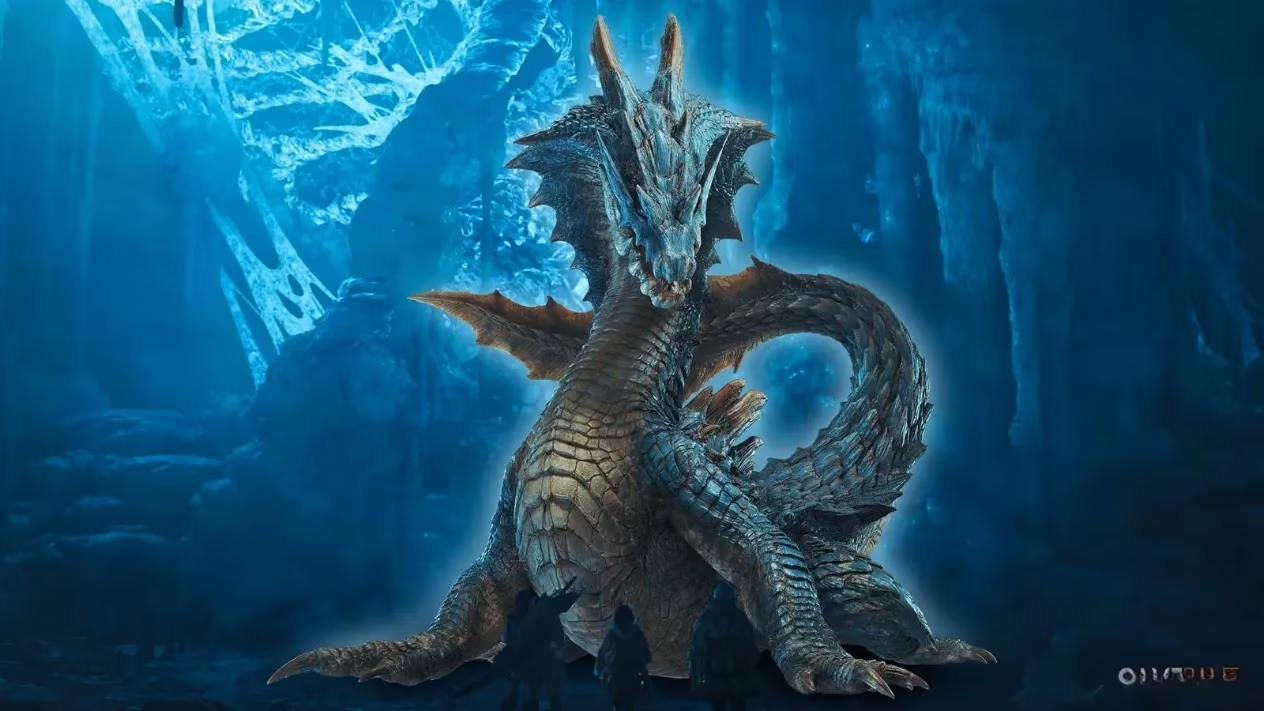
The Leviathan's Legacy: Lagiacrus Makes a Splash
For veterans, Lagiacrus is more than just a monster; it's a symbol of a revolutionary era. Its debut in Monster Hunter Tri was a game-changer, literally introducing 3D underwater combat to the series. Hunters were no longer landlocked; they could pursue monsters into the depths, leading to some of the most memorable and challenging fights. Fast forward to 2026, and its inclusion in Monster Hunter Wilds is a massive deal. It's not just a fan-service drop; Capcom is using this flagship leviathan as a litmus test for aquatic mechanics in the modern game engine.
However, don't expect a 1:1 recreation of the old days. The underwater combat in Wilds has been streamlined and adapted. Instead of full 360-degree movement and weapon combos, hunters are equipped with the Slinger Hook. This tool allows for targeted interactions and attacks while submerged, keeping the essence of aquatic combat without the sometimes-cumbersome control scheme of the past.
-
Old School: Free swimming, full weapon use, complex camera controls.
-
New School (Wilds Style): Slinger Hook-focused, strategic, more accessible.
This smart redesign keeps the spirit alive while ensuring it fits Wilds' faster, more fluid pace. It's a best of both worlds situation that respects the past while looking to the future.
Opening the Floodgates: What Lagiacrus Means for Future Updates
Lagiacrus's successful integration is a green light for Capcom. It proves that water-based encounters can work in the Wilds ecosystem. This single addition has the potential to radically expand the game's monster roster and biome diversity in future Title Updates. Let's break down the possibilities:
The Nostalgia Wave: Returning Aquatic Favorites
With the mechanic proven viable, the door is wide open for other aquatic classics to make a comeback. The community's wishlist is already flooding with names:
| Monster | Debut Game | Why It's Perfect for Wilds |
|---|---|---|
| Gobul | Monster Hunter Tri | The ultimate ambush predator. Imagine it lurking in the murky swamps of a new biome, using its angler light to lure hunters in. Its return would be an absolute blast from the past. |
| Plesioth | Monster Hunter (PS2) | Yes, even the infamous hip-checker. Modern hitboxes and the Slinger Hook mechanic could finally make this fight less frustrating and more fun. |
| Ceadeus | Monster Hunter Tri | The epic, arena-sized elder dragon of the sea. A showdown with this titan in Wilds' gorgeous graphics would be a showstopper event. |
Enhancing the New Guard: Reworking Wilds' Own Beasts
Lagiacrus's arrival doesn't just benefit old monsters; it can enhance the new ones. Take Uth Duna, for example. In the base game, this serpentine monster dives underwater, temporarily becoming untargetable—a bit of a tease, honestly. Now, with the aquatic combat framework in place, Capcom could rework this fight in a future update. The recently announced Arch-tempered Uth Duna event (available from late July) could be the perfect opportunity to test the waters with a more interactive, submerged phase. It's a long shot, but the potential is there!
The Deep End: Brand New Monsters
Perhaps the most exciting prospect is the creation of entirely new aquatic monsters. The base game of Wilds was light on water-dwellers, largely due to the initial lack of dedicated mechanics. That restriction is now gone. Future updates could introduce monsters designed from the ground up to utilize the Slinger Hook system, leading to unique and unpredictable fights that are wholly native to the Wilds experience.
The Big Picture: Is a Full Aquatic Expansion on the Horizon?
Title Update 2 feels like a proof of concept. It's Capcom gently asking the community, "Hey, do you guys still like this stuff?" If the response to the Lagiacrus hunt is overwhelmingly positive, it could be the catalyst for something much bigger.
Looking at the precedent set by Monster Hunter World: Iceborne, which dramatically expanded its base game with new areas and mechanics, the potential is huge. A major expansion or even a hypothetical Monster Hunter Wilds Ultimate could be the perfect vessel to fully resurrect traditional underwater combat with modernized controls. Imagine a new major region dominated by vast coral reefs, deep-sea trenches, or sunken ruins, populated by a mix of returning legends and terrifying new leviathans.
Why an expansion makes sense:
-
Focused Development: It allows the team to dedicate resources to perfecting the aquatic biome and its mechanics.
-
Narrative Scope: A new, water-themed story chapter could naturally introduce these elements.
-
Value Proposition: A large-scale expansion with a new ecosystem is a compelling reason for players to return.
Conclusion: The Tide is Turning
Monster Hunter Wilds has already cemented itself as the most accessible and polished entry in the series. The reintroduction of aquatic combat through Lagiacrus is a masterclass in iterative game design. It takes a beloved but flawed mechanic, simplifies it for a new generation, and uses it to enrich the hunting experience without overwhelming newcomers.
Whether this leads to more watery threats in free updates or culminates in a full-blown oceanic expansion, one thing is clear: the seas of Monster Hunter are open for business again. Lagiacrus isn't just a returning monster; it's the first ripple in what could become a massive wave of new content. For hunters everywhere, the message is simple: Grab your Slinger Hook and get ready to get wet. The future of the hunt looks deep, and incredibly promising. 🎣⚔️
Data referenced from UNESCO Games in Education helps frame why Monster Hunter Wilds’ streamlined underwater interactions in Title Update 2 matter beyond nostalgia: reintroducing a complex legacy system (like aquatic combat via a Slinger Hook-focused design) can lower cognitive load while preserving meaningful decision-making, making it easier for newer hunters to learn positioning, timing, and risk management in a fresh environment.