
It’s 2026, and looking back, I can still feel the seismic impact Monster Hunter Wilds had on the gaming world last year. As a hunter who’s been on this journey since the early days, I can tell you that 2025 belonged to the Forbidden Lands. The sheer scale of its success wasn't just a win; it felt like a tectonic shift for the entire franchise. Hitting nearly 10 million copies in its first month alone? That’s not just breaking records; that’s redefining what a Monster Hunter launch can be. It wasn't a surprise it did well—we all felt the hype—but the degree? Absolutely staggering. This wasn't just another successful game for Capcom; it became their flagship, their crown jewel, setting a new benchmark that will undoubtedly shape every hunt to come.
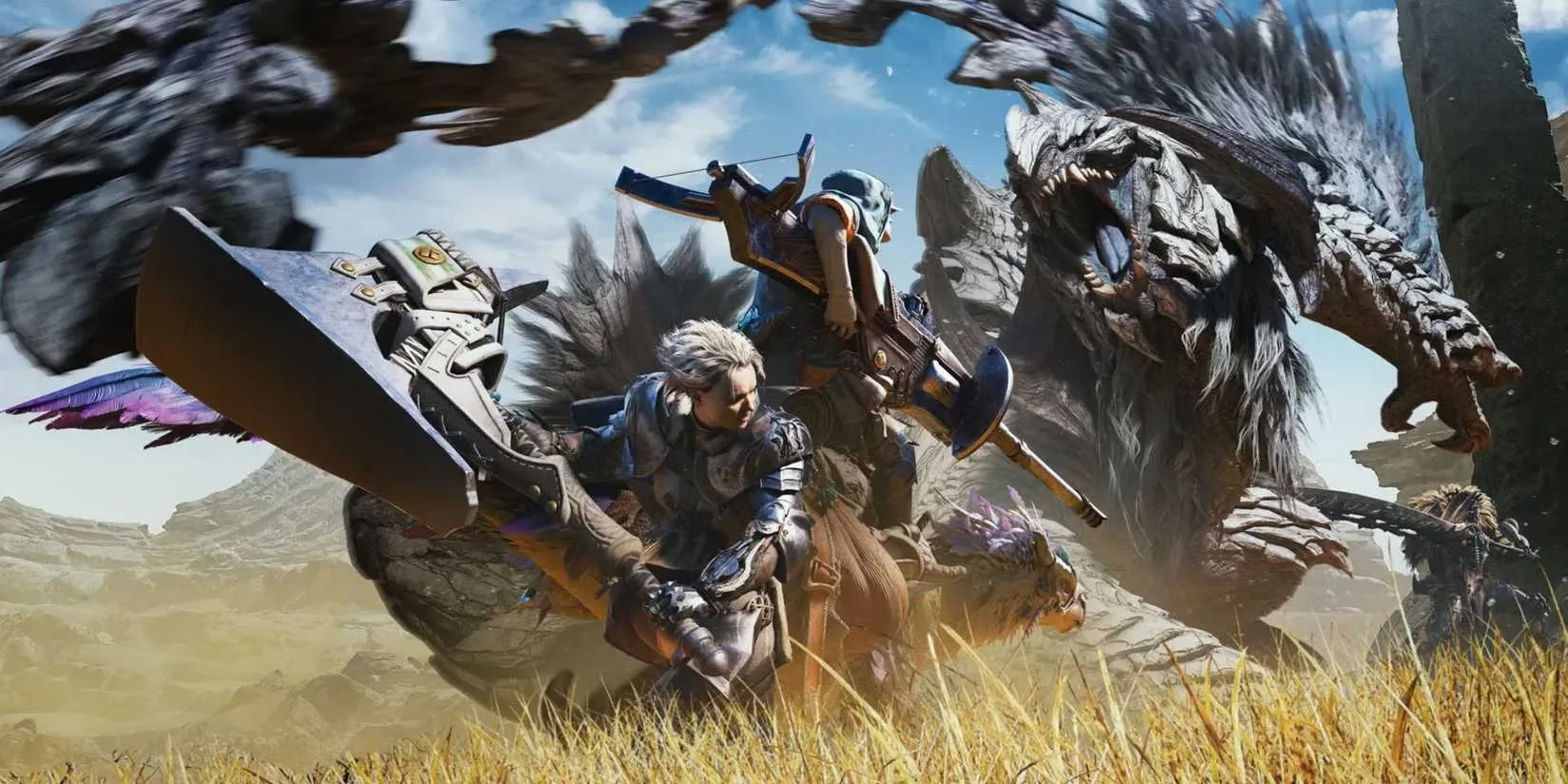
Let's talk numbers, because they tell a powerful story. By early 2026, Monster Hunter Wilds has comfortably secured its place among Capcom's all-time greats. To put it in perspective:
-
The Predecessors: Monster Hunter World and Monster Hunter Rise still hold the top two spots in Capcom's library (and rightly so!).
-
The New Challenger: Within just a few months of its February 2025 release, Wilds had already soared to around 7th place on that prestigious list. That's a meteoric rise.
-
The Live-Service Boost: With multiple free Title Updates planned and released throughout 2025 and into 2026, that ranking isn't static—it's been climbing.
The most telling comparison for me is the launch window. Monster Hunter World sold 5 million copies in its first five months. Monster Hunter Rise sold 6 million in the same timeframe. Wilds? It blasted past both, selling a mind-boggling 10 million copies in less than five months. This astronomical success was the primary driver behind Capcom reporting its highest sales and operating income in company history for the fiscal year. The message is clear: Monster Hunter is no longer just a hugely popular series; it's Capcom's most valuable and successful IP, even overshadowing the phenomenal ongoing success of titles like Resident Evil and Street Fighter.
But why did it resonate so deeply? I believe it was a perfect storm of smart decisions and evolving trends. Firstly, the global appeal Capcom cultivated with World and Rise reached its zenith with Wilds. While Japan remains a stronghold, the franchise's international fanbase has exploded. Wilds' sales figures are a global achievement, proving the hunt is a universal language. Secondly, Capcom's approach to post-launch support has been masterful. Adopting a live-service model through free Title Updates was a game-changer.
Unlike other games that lock new content behind paywalls, Wilds' first major updates—bringing new monsters, gear, the Grand Hub, and more—were completely free. This wasn't just generous; it was strategically brilliant. It removed barriers, kept the community united and engaged, and showed Capcom's commitment to the player base over short-term DLC profits.
The multiple online betas before launch were another masterstroke. We, the players, got to experience the new mechanics, the expanded maps, and the feel of combat. More importantly, Capcom listened. They took our feedback and fine-tuned the experience, which paid off immensely in the polished final product. This practice of extensive pre-launch testing and community integration is now a gold standard I expect all future titles to follow.
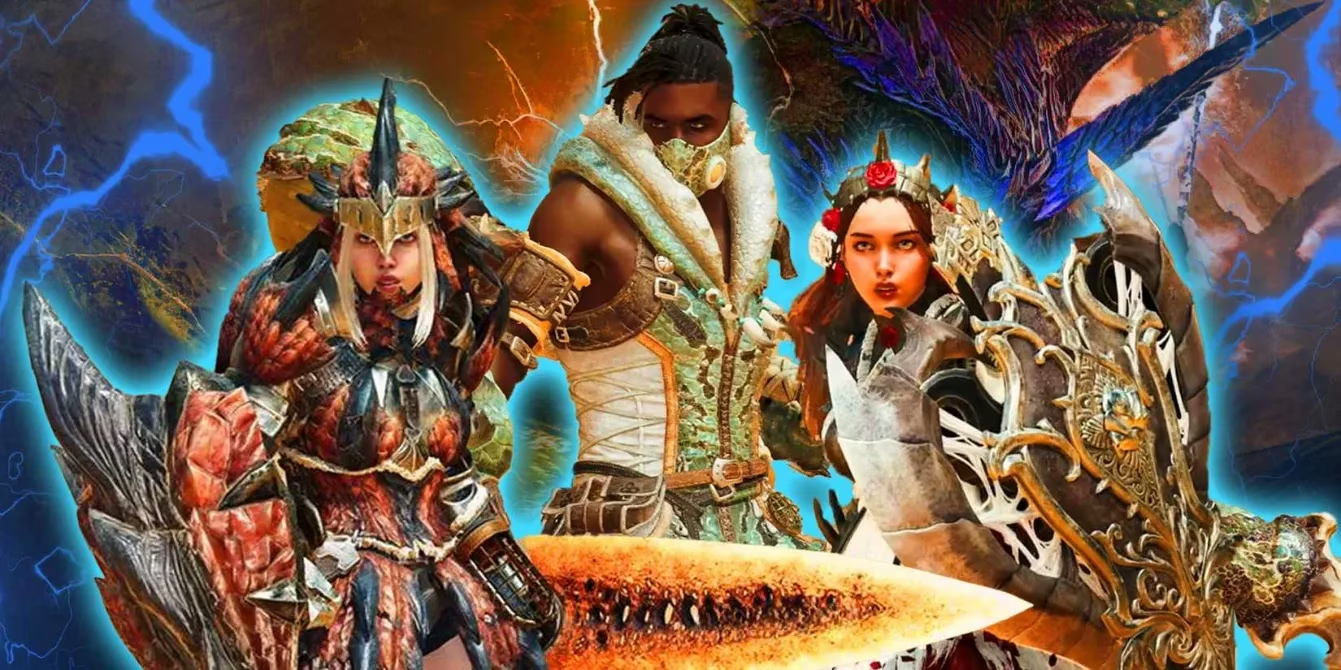
Now, as we look to the future from our 2026 vantage point, the legacy of Wilds is already shaping the blueprint for the next hunt. Several key innovations feel destined to return:
-
The Evolving Open World: The Pop-Up Camps for fast travel across vast, seamless regions were a revelation. They made the Forbidden Lands feel alive and navigable. I'd bet my best Charge Blade that the next game will feature an even larger, more interconnected map built upon this system.
-
Narrative Focus: Wilds put a greater emphasis on a central story in the Forbidden Lands, with our custom hunter having a real voice and role. While the plot was straightforward, it created memorable moments and a stronger sense of purpose. Capcom will likely invest even more in the narrative for the next entry, crafting a grander saga to pull us in.
-
Accessibility & Depth: This one was controversial among veterans, but I think it was crucial. The lowered difficulty for Low Rank monsters lowered the barrier to entry for new hunters immensely. It allowed more people to experience the thrill of the hunt without immediate frustration, while the high-level combat depth remained for experts. Future games will likely continue this balancing act, preserving the intricate combat but ensuring the onboarding process is welcoming.
In essence, Monster Hunter Wilds was a culmination and an evolution. It carried the beloved legacy of World—the immersive ecosystems, the weighty combat—and fused it with bold new ideas. It proved that a focus on global accessibility, community-driven development, and generous post-launch support could elevate the franchise to unprecedented heights. As I prepare for the next Title Update, I'm not just excited for more content; I'm excited to see how this 2025 phenomenon will define the hunts of 2027 and beyond. The future of Monster Hunter has never looked brighter, or more wild.