
Capturing the raw thrill of a hunt has always been at the heart of the Monster Hunter experience, and one dedicated player has just dialed that nostalgia up to eleven. In a stunning tribute to the series' roots, a Monster Hunter Wilds fan meticulously recreated the original 2004 PlayStation 2 box art using the game's robust photo mode. The image, shared on Reddit, shows a hunter wielding the classic Jawblade greatsword mid-swing against the franchise's original flagship monster, Rathalos. It’s a shot that wouldn’t look out of place on a retro game sleeve, proving that sometimes the old ways are indeed the best.
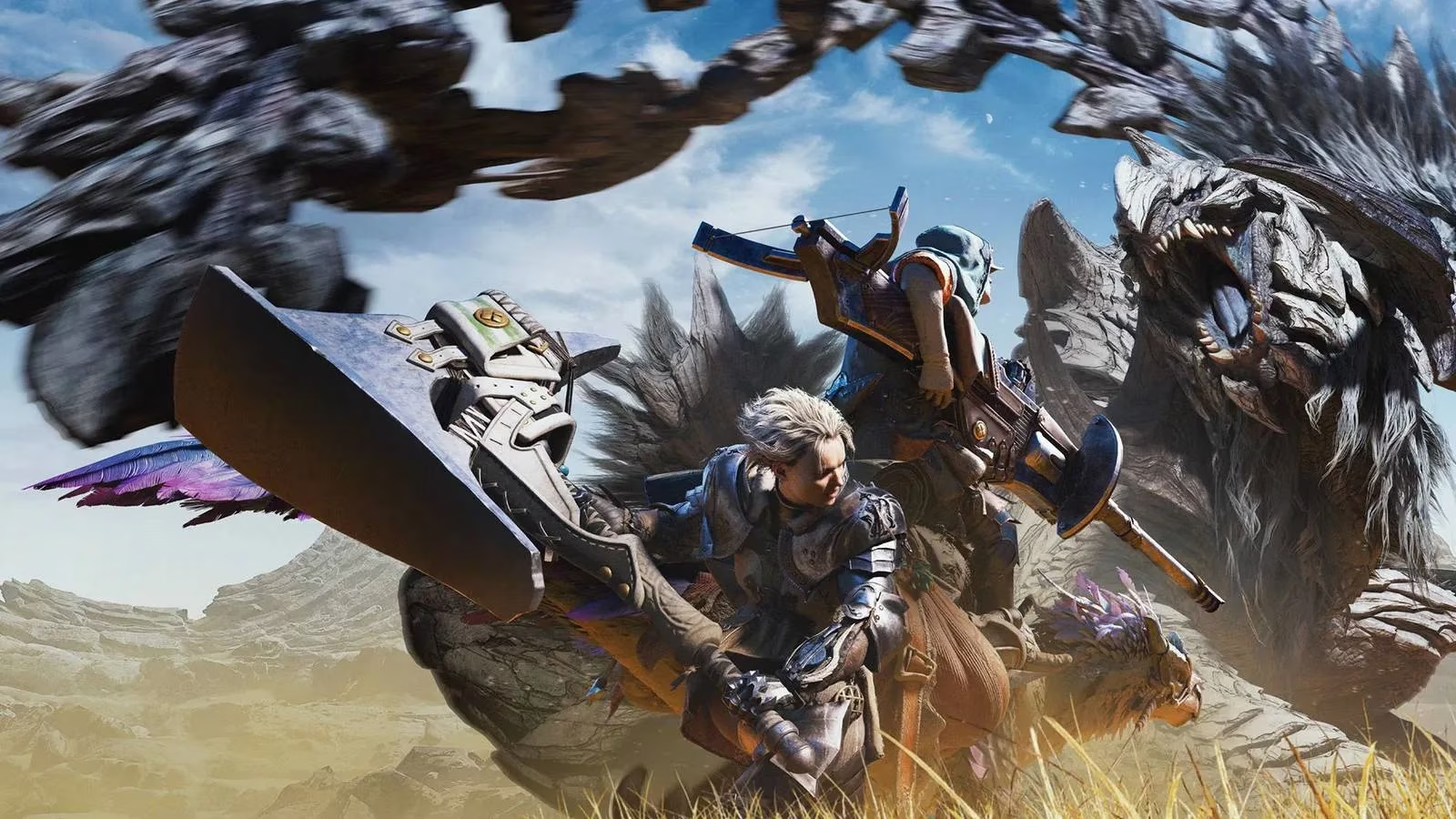
The image immediately struck a chord with the community, racking up admiration for its spot-on composition. The hunter's pose, the menacing silhouette of the Rathalos, and the sense of imminent danger all mirror the iconic cover that introduced many gamers to the punishing yet rewarding world of monster slaying. Capcom’s breakout hit has been nothing short of a phenomenon since its launch, shattering internal sales records to become the company’s fastest-selling title ever. It seems that every new generation of hunters not only embraces the modern innovations but also holds deep reverence for the franchise's humble beginnings.
Pulling off this pixel-perfect tribute was no walk in the park—it was a proper quest in itself. The creator, noiwontcalmdown, explained the painstaking process behind the shot. First, they had to engage a Rathalos and manually pause the game while in offline mode. That pause was both a blessing and a curse: it froze the action perfectly but locked the camera in place, preventing any swiveling or angle adjustments. From there, the wizardry happened entirely within the photo mode’s settings. By fiddling with the field of view, camera distance, and depth of field, they managed to frame a scene that looks deliberately staged rather than plucked from raw combat. It was, by their own admission, a process of trial and error—a test of patience worthy of a true hunter.
Longtime fans were quick to sing the praises, though some couldn't help but wish Capcom had released the classic Origin Armor set by then, which would have made the homage even more authentic. Nevertheless, the recreation stands as a testament to how far the series’ visuals have come while still preserving that primal, hand-drawn spirit of the early cover art. Rathalos, while no longer the flagship monster in Monster Hunter Wilds, remains a ferocious opponent capable of carting unprepared hunters, making that perfect snapshot all the more impressive.
Beyond deliberate compositions, the photo mode in Monster Hunter Wilds continues to surprise players with its charming interactive details. Another hunter experimenting with the feature discovered that the scholarly handler, Alma, is surprisingly camera-savvy. She doesn’t just stand there like a statue—she’ll wave, flash a grin, or even whip out one of her archaeological relics to show off, adding a layer of whimsy to the wilderness. Some players reported that entering photo mode actually prompts Alma to photobomb the shot, dashing into the frame to strike a pose alongside the hunter. It’s these little touches, buried deep in the game’s code, that turn a simple screenshot tool into a full-blown storytelling device.
These discoveries have turned the community into a collective of virtual wildlife photographers, constantly sharing tips on how to freeze a monster’s most dramatic attack frames or catch a Palico in a ridiculously cute moment. The photo mode has become more than a gimmick; it’s a canvas for creativity, allowing players to frame the game’s living ecosystems in new and personal ways. From intimidating close-ups of Gore Magala’s frenzy state to serene wide shots of the Windward Plains at sunrise, the feature has birthed an entire subculture of in-game art.
Since its explosive debut, Monster Hunter Wilds has only deepened its hooks into players with seasonal title updates, new monsters, and quality-of-life improvements that make the photo mode even more accessible. The ability to pause the game offline was a game-changer for virtual photographers, and the ongoing support from Capcom suggests that more customization options—perhaps even throwback armor appearances—could be on the horizon. As the game enters its second year, the fusion of modern technology and nostalgic callbacks shows that the series isn't just about the hunt; it's about the memories forged along the way. And sometimes, all it takes is one perfectly timed screenshot to remind us why we first picked up a weapon and marched into the wild.