
As I look at the state of Monster Hunter Wilds on Steam in mid-2026, the situation remains a stark contrast to its record-breaking launch. The game, which debuted on February 28, 2025, as Capcom's biggest PC launch ever with over 1.38 million concurrent players, has seen a catastrophic decline in its player base. Recent data shows daily concurrent peaks struggling to reach 20,000, even on weekends, representing a staggering 98.67% drop from its initial highs. This dramatic fall isn't just about players moving on; it coincides with a sustained period of negative feedback and technical complaints that have plagued the PC version.
The player retention crisis has been accompanied by what the community calls 'review-bombing' on Steam, where recent reviews sank to 'Overwhelmingly Negative' status. While some might dismiss this as typical gamer discontent, the consistency of complaints points to deeper issues. Players across forums and review sections consistently highlight performance problems that persist despite hardware meeting or exceeding Capcom's recommended specifications. I've personally experienced frame rate drops and stuttering that shouldn't occur on a high-end system, and many fellow hunters report similar frustrations. What makes this particularly concerning is that some long-term players claim performance has actually degraded with post-launch patches rather than improved.
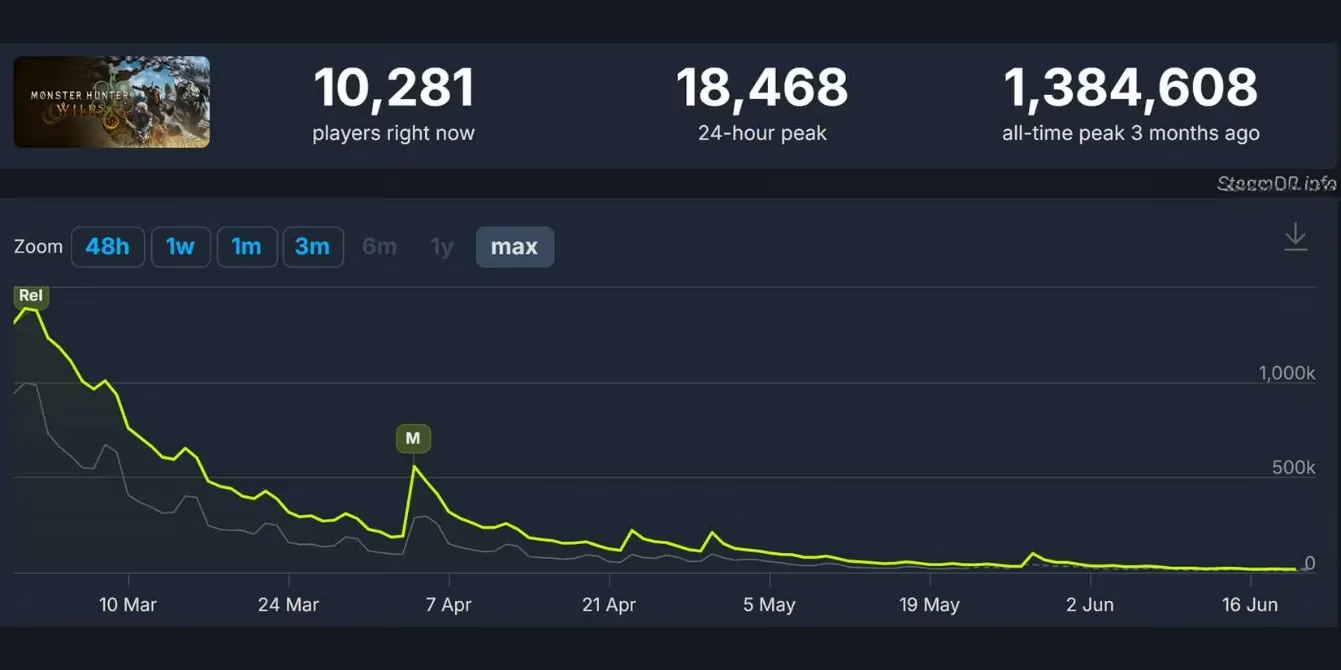
Beyond technical woes, the content pipeline has become a major point of contention. The community has voiced strong criticism about what they perceive as a slow update cadence and limited flow of fresh content to sustain engagement. When you compare Monster Hunter Wilds to previous entries in the series, the post-launch support feels noticeably different. Title Update 1 in early April 2025 did provide a temporary boost—more than doubling concurrent player peaks—but that resurgence proved short-lived, lasting only a few weeks before numbers resumed their downward trajectory.
Here's what players have been vocal about:
🔥 Performance Issues:
-
Persistent frame rate problems across various hardware
-
Stuttering during combat and exploration
-
Reports of performance worsening with updates
📉 Content Concerns:
-
Slow update release schedule
-
Perceived lack of meaningful endgame activities
-
Limited new monsters and gear compared to expectations
🎮 Platform Disparity:
-
Console versions maintaining strong ratings (4.3-4.5 stars)
-
PC version suffering disproportionately
-
Cross-platform differences in optimization
As we approach what would have been the second anniversary of Title Update 2 (originally expected June 30, 2025), it's worth reflecting on what that update represented. While it addressed some community grievances temporarily, the fundamental issues with the PC version's technical state and content pacing remained. The pattern of temporary player spikes followed by rapid decline suggests that surface-level fixes aren't enough to retain the dedicated hunting community that made the franchise successful.
The console-player experience tells a different story entirely. With thousands of positive ratings on PlayStation and Xbox platforms, it's clear that the core Monster Hunter Wilds experience resonates with many players. The 4.3-star average on Xbox Series X/S (based on 2,200+ ratings) and 4.49-star average on PlayStation Store (from 60,000+ ratings) demonstrate that when the technical barriers are removed, the game delivers the hunting fantasy fans expect. This platform disparity highlights how critical optimization and performance are for PC gaming communities, who tend to be less forgiving of technical shortcomings.
Looking at the broader picture, Monster Hunter Wilds represents both a tremendous success and a cautionary tale. Its record-breaking launch proves the franchise's enduring appeal and Capcom's ability to create compelling worlds. However, the steep and sustained player decline on Steam—the platform where the series achieved its highest concurrent numbers ever—shows how quickly momentum can evaporate when technical execution falters. The fact that player counts dropped below 20,000 concurrent users during peak gaming periods speaks volumes about lost engagement.
What's particularly interesting is how this situation has evolved since 2025. While many live-service games experience player drop-off after launch, the 98% decline for Monster Hunter Wilds stands out as exceptionally severe. The franchise has traditionally maintained strong player bases for years, with previous entries like Monster Hunter World showing impressive longevity. This makes the Wilds situation more concerning for long-term franchise health.
From my perspective as someone who's played every major Monster Hunter release, the issues with Wilds feel particularly frustrating because the core gameplay loop remains excellent. The monster designs, weapon mechanics, and environmental interactions represent some of the best work Capcom has done in the series. Yet these strengths are undermined by technical problems that shouldn't exist in a 2025/2026 AAA release, especially from a developer with Capcom's experience and resources.
The community response has been telling. Rather than abandoning the franchise entirely, many players have returned to previous Monster Hunter titles while keeping a hopeful eye on Wilds' future. This suggests that the desire for a great Monster Hunter experience remains strong, but the current implementation on PC isn't meeting expectations. The ball is in Capcom's court to determine whether they can win back this disillusioned segment of their player base through substantial improvements or if the damage to the PC version's reputation is too severe to overcome.
As we move forward, the Monster Hunter Wilds case study will likely influence how developers approach PC ports of major console franchises. The expectations for performance, optimization, and post-launch support have never been higher, and failing to meet them can have dramatic consequences even for beloved franchises with massive built-in audiences. The hunting horn may have gone quiet for many Steam players, but whether it plays again at full volume depends entirely on Capcom's commitment to addressing the fundamental issues that drove players away.