
Monster Hunter Wilds arrived with the kind of confidence that makes a franchise look untouchable. Capcom’s action RPG earned widespread critical praise for preserving the series’ complex, challenging combat while folding in new ideas, and its roster gave hunters plenty to chase: Guardian Arkveld, Rathalos, and a post-campaign climb through High Rank. The campaign itself is somewhat short, but the post-game loop is where the real hunt begins. New monsters unlock, new weapons and armor follow, and the cycle should keep its hooks in. For hunters who pushed through High Rank quickly, however, the horizon started to look a little bare. That is where the monster update calendar becomes more than a marketing sheet. It becomes the pulse of the game.
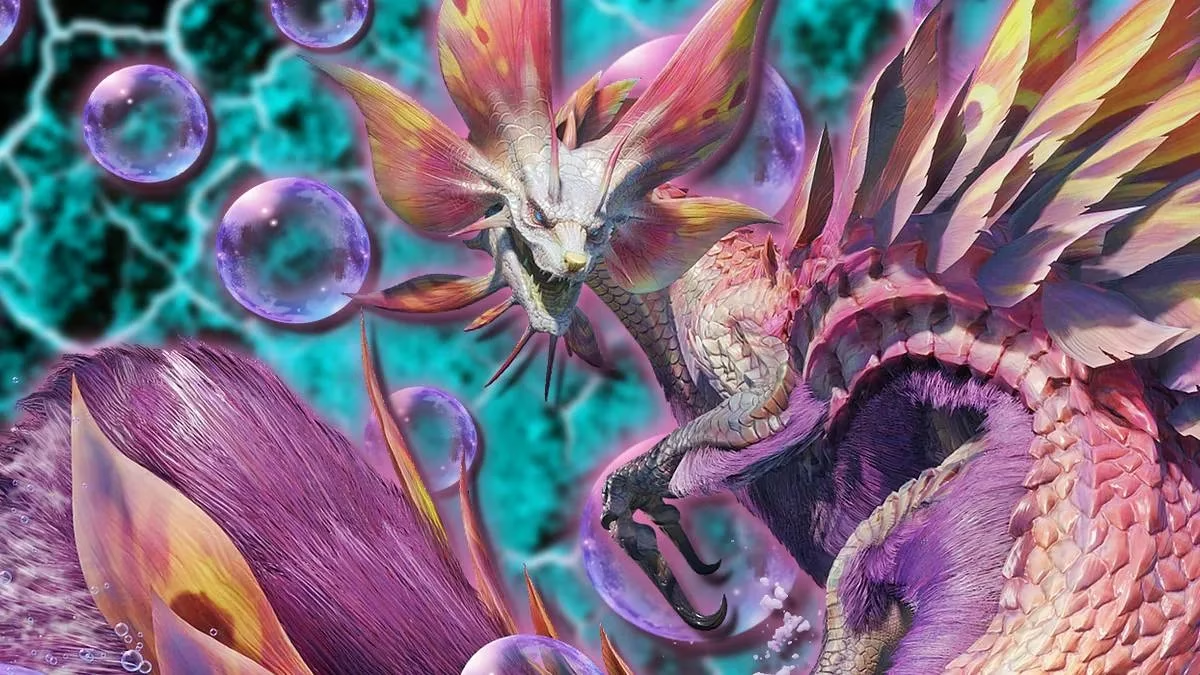
The original free title update roadmap was modest. It placed Mizutsune, the returning Water-and-Bubble specialist last seen in Monster Hunter Rise, in Spring 2025. It also promised an undisclosed monster for Summer 2025 and vague future title updates beyond that. By 2026, that roadmap is no longer a preview; it is a baseline for judging how Capcom sustains momentum. The mystery monster was a decent hook, but a hook without a schedule is just bait. To put it plainly, a roadmap that asks hunters to sit on their hands for months is a tough sell.
| Planned content | Original window | Why it mattered |
|---|---|---|
| Mizutsune | Spring 2025 | A beloved returning monster with a playful moveset and desirable gear |
| Undisclosed monster | Summer 2025 | A mystery beat, but little detail for planning or excitement |
| More title updates | Future | A promise without a rhythm |
The problem is not Mizutsune. A returning monster with Water and Bubble attacks is a fine addition, and the gear it brings gives hunters a reason to sharpen their builds. The problem is spacing. Two monsters spread across spring and summer, with only a vague promise of more later, creates a long quiet stretch. That is, frankly, not a schedule; it is a waiting room. Players are not exactly thrilled when the next challenge feels like a rumor with a date attached.
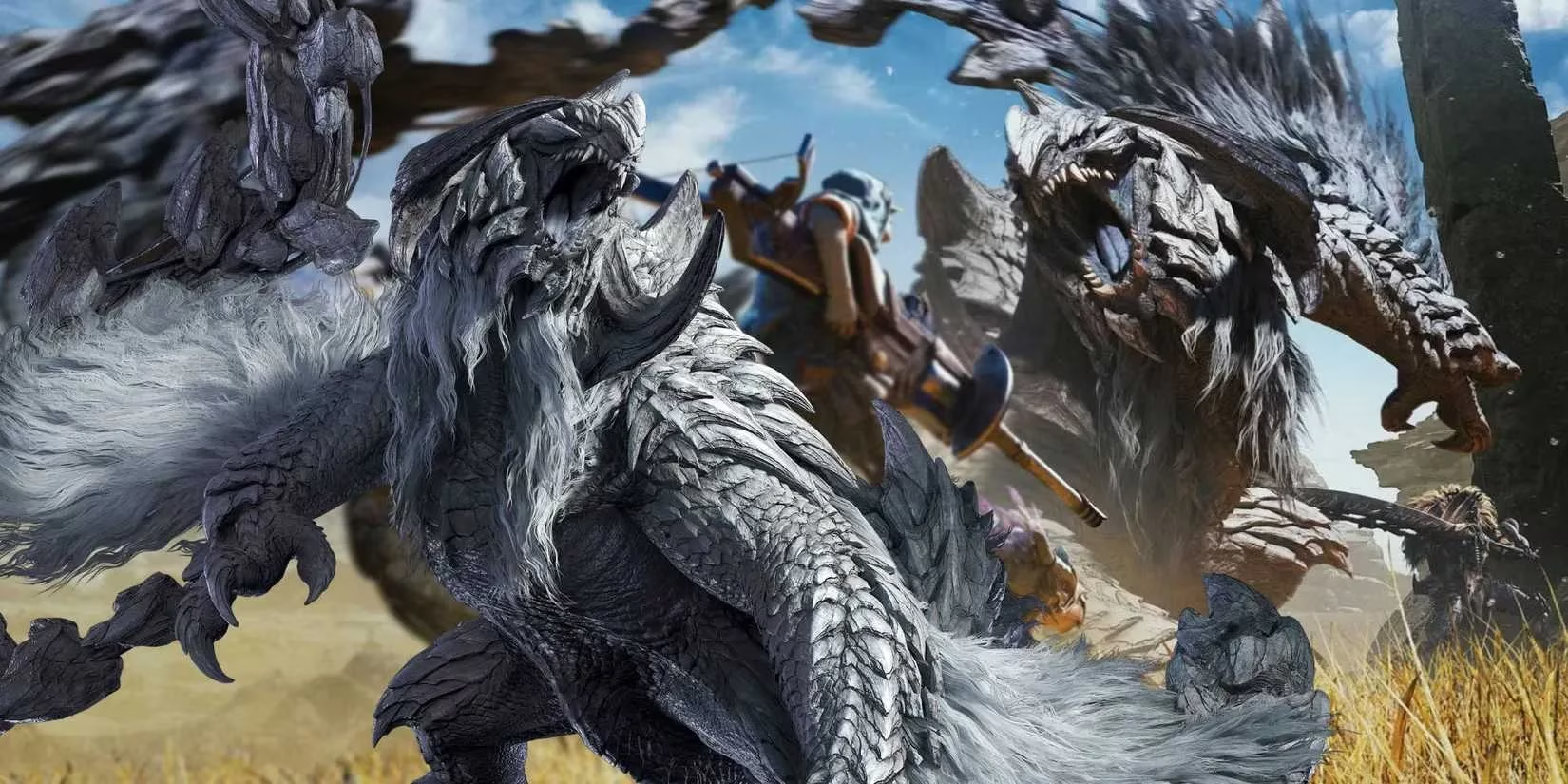
Capcom has more at stake than a typical post-launch content plan. Monster Hunter Wilds broke records at launch, with a concurrent player count that outshone major RPGs, and it became the fastest-selling title in the series. It has not yet matched Monster Hunter World’s roughly 21 million copies, but its crossplay feature and accessible design give it room to grow. With that success in hand, the last thing Capcom should risk is a sharp player drop caused by a lack of fresh challenges. In this series, the secret to keeping the player base active is simple: new monsters to hunt, even when they return from older titles.
The original roadmap’s biggest flaw was not ambition. It was cadence. If releases are knitted more tightly together, players may be willing to wait for the next update without leaving the game. Repetitive hunts against the same roster can wear down even dedicated hunters, and there is no guarantee they will return every few months for a single monster. Events such as the Kut-Ku Gone Cuckoo quest help, but they are seasoning, not the main course. A reliable influx of monsters keeps High Rank hunters engaged long after they have crafted Gore Magala’s complete set.
There is no shortage of candidates. The franchise’s decades-long history offers creatures from World, Iceborne, Rise, and Sunbreak. Elder Dragons would add the kind of high-end challenge that late-game hunters crave. Rajang is an obvious pick for its popularity and difficulty. A Tempered Magnamalo or a Guardian version of a returning monster could stretch existing content without feeling lazy. Capcom could also repeat one of World’s most successful moves: collaborations. The Final Fantasy XIV crossover brought Behemoth, a menacing fight that gave players a reason to team up and test their limits. Monster Hunter Wilds has the universe and the audience for similar events.
Wilds is arguably the most accessible entry in the series, and its Focus Mode attack system adds depth to combat. Those strengths deserve a post-launch plan that matches them. The calendar does not need to be crowded with noise; it needs to be dependable. A tighter rhythm of monsters, challenges, and events would tell hunters that the next hunt is always close. Capcom has the roster, the record-breaking audience, and the momentum. What it needs now is a calendar that keeps the trail warm.