
As of 2026, more than a year after Monster Hunter Wilds welcomed a new generation of hunters, a familiar campfire argument has returned: how much friction should a Monster Hunter game have? For one longtime Insect Glaive main, the answer is clear. The weapon's aerial flips and acrobatic combos are not inefficiency; they are the point. The hunter's recent exchange with a hammer loyalist, who suggested that glaive users do 14 backflips and a somersault just to attack, captures a wider split in the community. Wilds is faster, smoother, and more approachable than ever. But according to this veteran, some of the series' signature tedium was worth preserving.
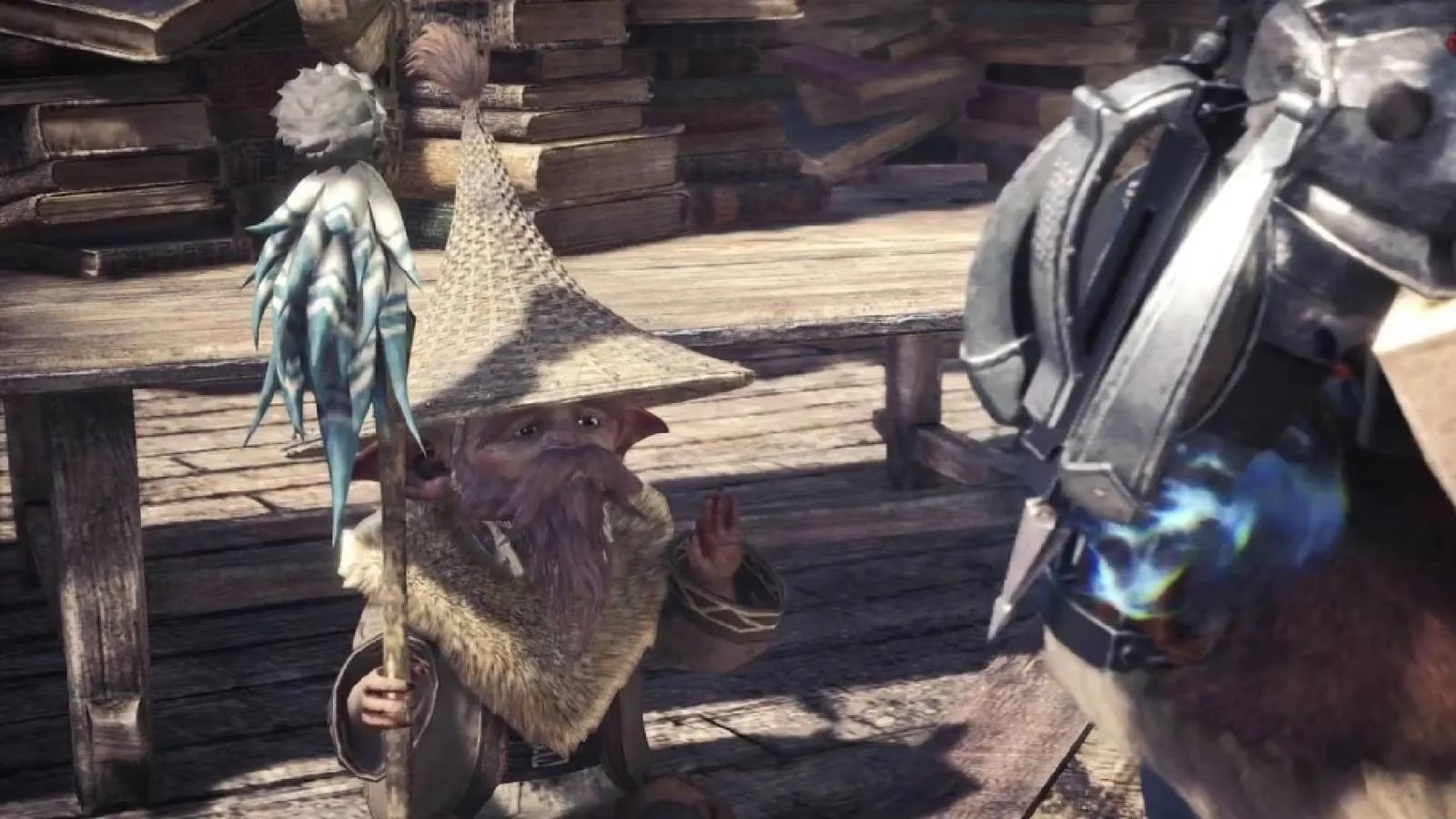
The disagreement is not about whether Wilds is fun. It is about what kind of fun Monster Hunter wants to be. The glaive main's argument is that 'doing so much just to do something so simple' once functioned as an unofficial tagline for the series. That phrase, they say, points to a design philosophy in which preparation, observation, and repetition made the hunt feel like a hunt. Wilds has removed several of those layers in the name of accessibility. The result is an exceptional action game, but also one that risks becoming more like every other action game on the market.
The Field Guide Used to Be a Field Assignment
The clearest example is monster research. In Monster Hunter Wilds, players can open the menu, consult the Monster Field Guide, and immediately read a monster's weak points, elemental resistances, and material drops. The information is free, instant, and always available. For newcomers, this is a welcome quality-of-life improvement. It keeps hunts moving and removes the need to return to base just to check a chart.
Monster Hunter World handled the same task very differently. The guide was accessible only by speaking with the chief ecologist at base camp. More importantly, fighting a monster did not automatically reveal everything about it. Hunters had to earn research progress by picking up tracks and, especially, by hunting the same monster repeatedly. Each research level uncovered more details, and completing the full picture for all 71 monsters was a long-term project. Wilds eliminates that entire mechanic.
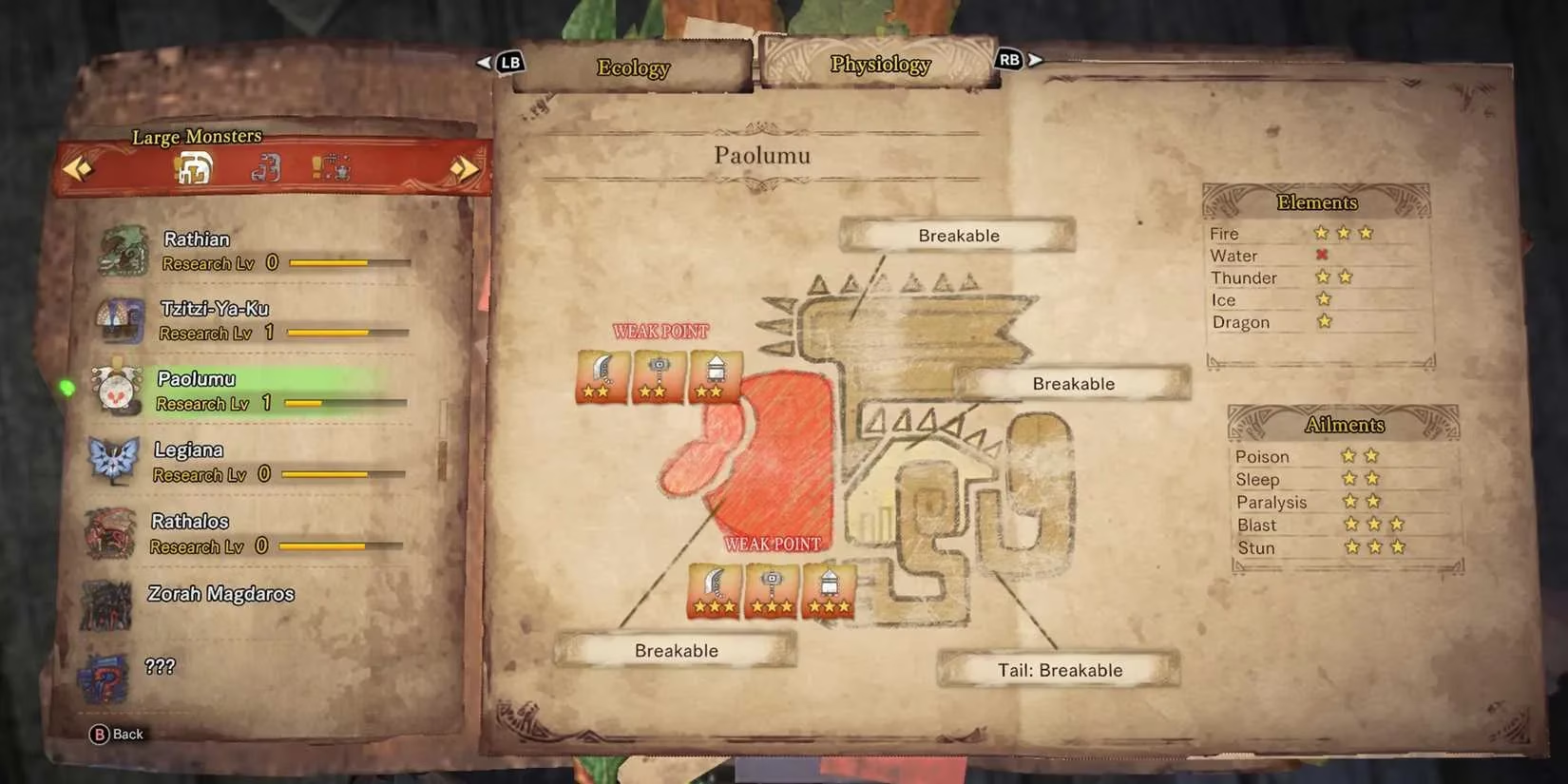
That change is convenient, but the veteran hunter argues that convenience has a cost. Research was not just a menu chore. It was storytelling, role-playing, and world-building. It made monsters feel like unknown creatures rather than open-book stat blocks. It also gave repeated hunts a purpose beyond crafting the next weapon. When Wilds hands over all the information at once, it makes the hunt faster, but it also makes each hunt less memorable. The depth that kept players in World for hundreds of hours has been narrowed in exchange for a less demanding experience.
The Farm Was a Preparation Loop, Not a Chore
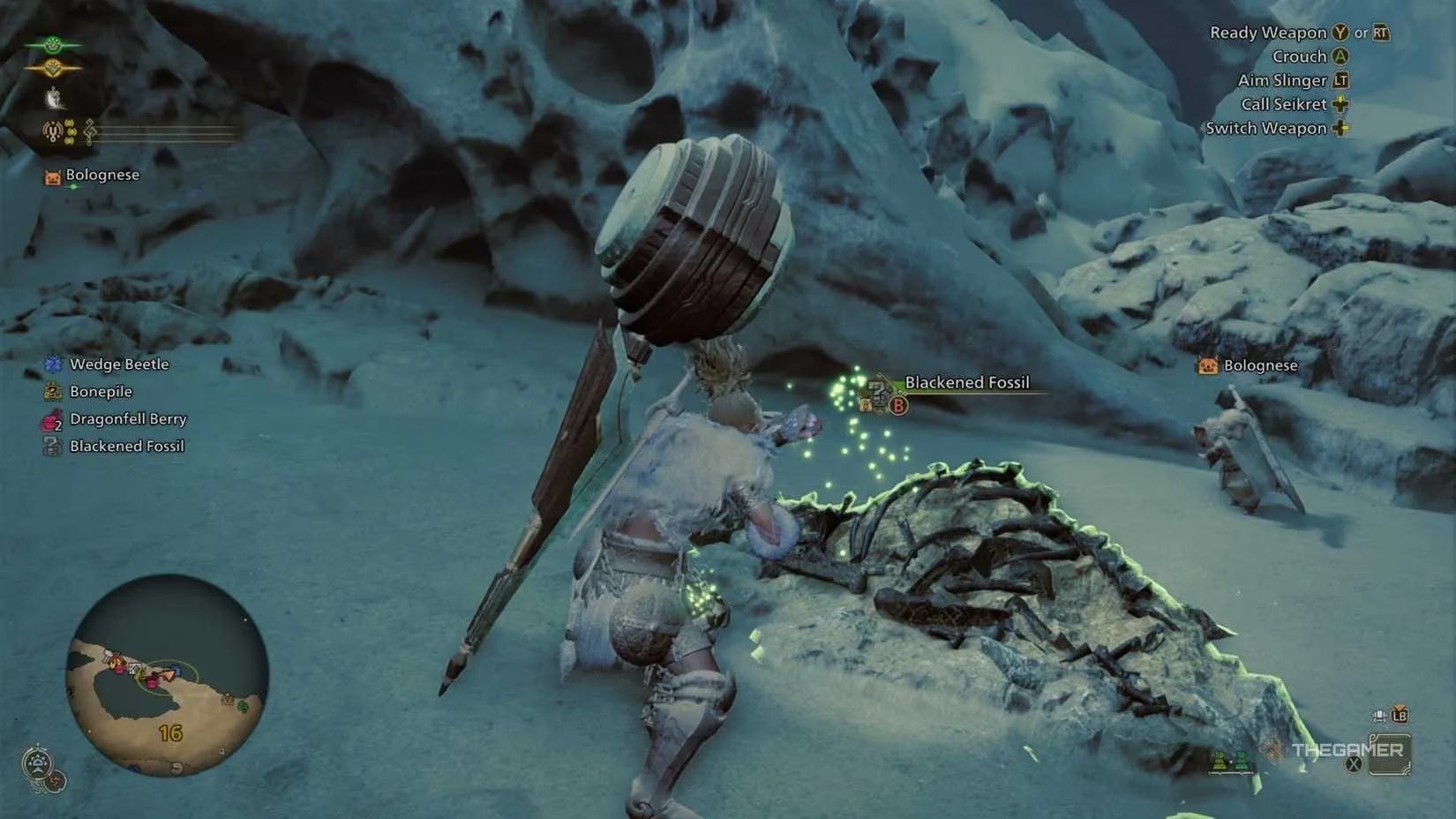
The second example is Botanical Research. In World, hunters grew their own crafting materials at base camp. Early on, the farm offered only a couple of herb slots. Progress and side quests eventually unlocked more slots, fertilizers, and supplements that increased yield and growth speed. The system required regular micromanagement between hunts until players unlocked Soft Soil and fertilizer that extended other fertilizer effects by five hunts. With the right setup, a hunter could refill Soft Soil once every five hunts and keep vital consumables like mega potions, antidotes, and armorskins in steady supply.
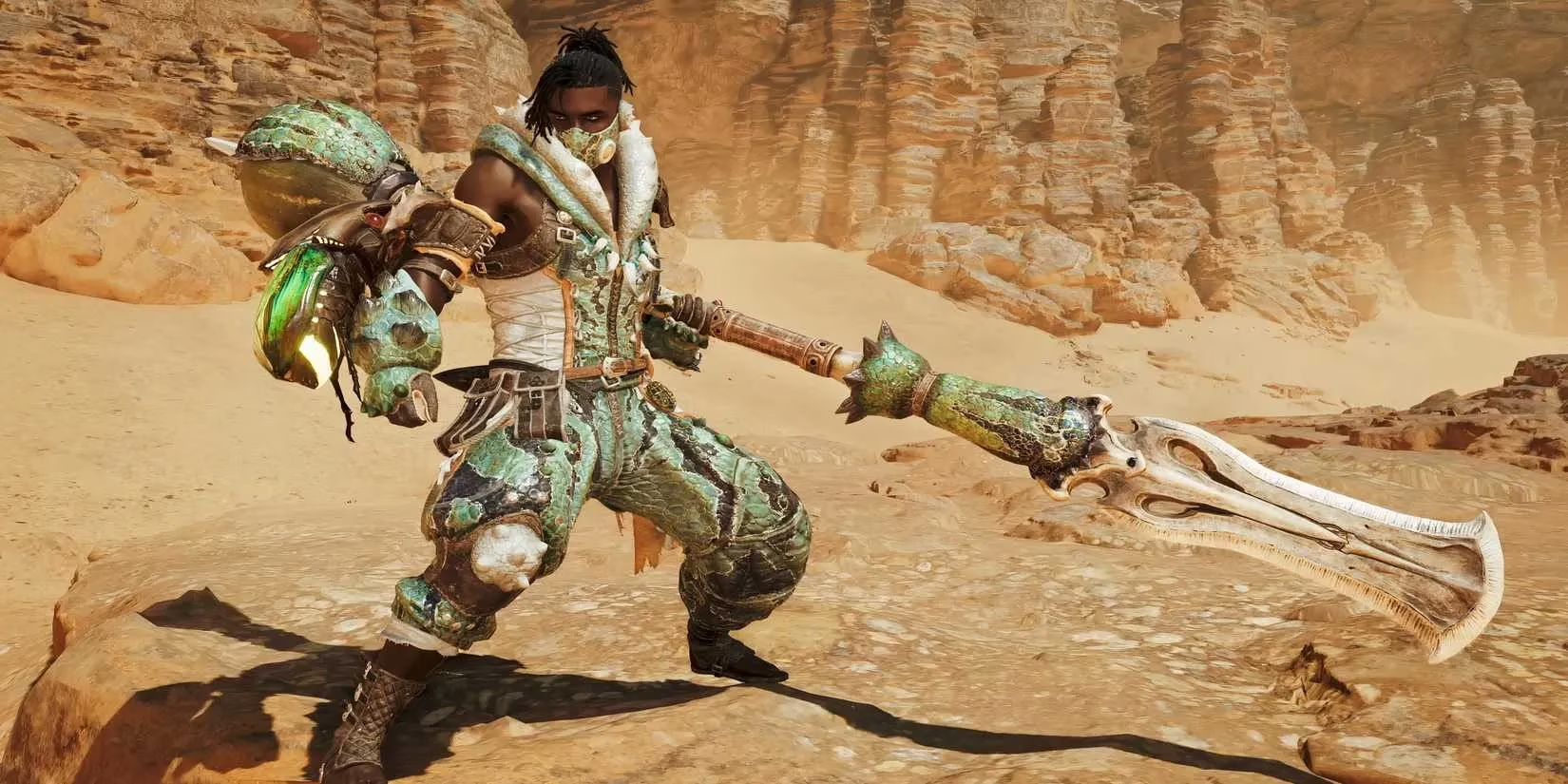
In Wilds, the equivalent system is much simpler. Players talk to a villager, choose the material they want, and return later to collect it. In the endgame, Nata becomes a hub for assigned villagers, so hunters can visit him occasionally and collect free materials from every villager they have tasked. There is nothing to unlock and no project to manage. Players choose items and receive them. Easy peasy.
The veteran hunter does not deny that World's farm could feel like work. But they argue that the more systems a hunter engages with, the more satisfying Monster Hunter becomes. Monster and botanical research were part of a preparation loop. They encouraged players to think like hunters, not just react like action-game protagonists. Progression was not only about unlocking stronger weapons or hitting buttons faster. It was also about learning the world, managing supplies, and building habits.
Friction Is Part of the Identity
Wilds remains a blast, and its streamlined approach has clearly helped the series reach a broader audience. That success matters. Yet the argument is that Capcom has thrown the baby out with the bathwater. The frictions that once made Monster Hunter unique were not all obstacles to be removed. Some were the texture of the experience. They gave the series its distinctive rhythm and its sense of mindfulness.
| System | Monster Hunter World | Monster Hunter Wilds |
|---|---|---|
| Monster research | Chief ecologist at base; tracks and repeated hunts reveal data | Menu-based guide; weaknesses and drops available instantly |
| Botanical farming | Grow materials, unlock slots, manage fertilizers and Soft Soil | Assign villagers, collect materials later; Nata hub in endgame |
| Preparation feel | Planning and management between hunts | Faster collection and less micromanagement |
For the longtime Insect Glaive main, the debate is personal but not nostalgic for its own sake. The aerial weapon's complexity is a choice. It is more work to play, and that work is the reward. Monster Hunter once asked players to sweat the small stuff. In 2026, with Wilds still dominating hunter conversations, the question is whether the series can keep its streamlined appeal without losing the friction that made it special. The veteran's answer is simple: bring some of the tedium back. Not because tedium is fun by itself, but because in Monster Hunter, tedium often becomes meaning.
This blog post references Rock Paper Shotgun, whose long-form PC gaming coverage often examines how quality-of-life changes can reshape a game's identity. In the context of Monster Hunter Wilds, that perspective helps frame the current debate over streamlining: when research systems, item management, and preparation loops are simplified, the result can feel more immediately playable while also reducing the deliberate friction that once made each hunt feel like a process of mastery rather than just another fast-paced encounter.