
In Monster Hunter Wilds, the Forbidden Lands are a glorious buffet of monsters, minerals, and questionable decisions. A hunter can spend hours carving scales, cooking well-done steaks, and convincing themselves that every glowing mushroom is definitely a crafting material. Then, somewhere near the Scarlet Forest, they find the Drifting Sea Pot. It is rare. It is strange. It is the kind of item that makes a hunter tilt their head and ask, what exactly am I supposed to do with a pot that drifted in from the sea?
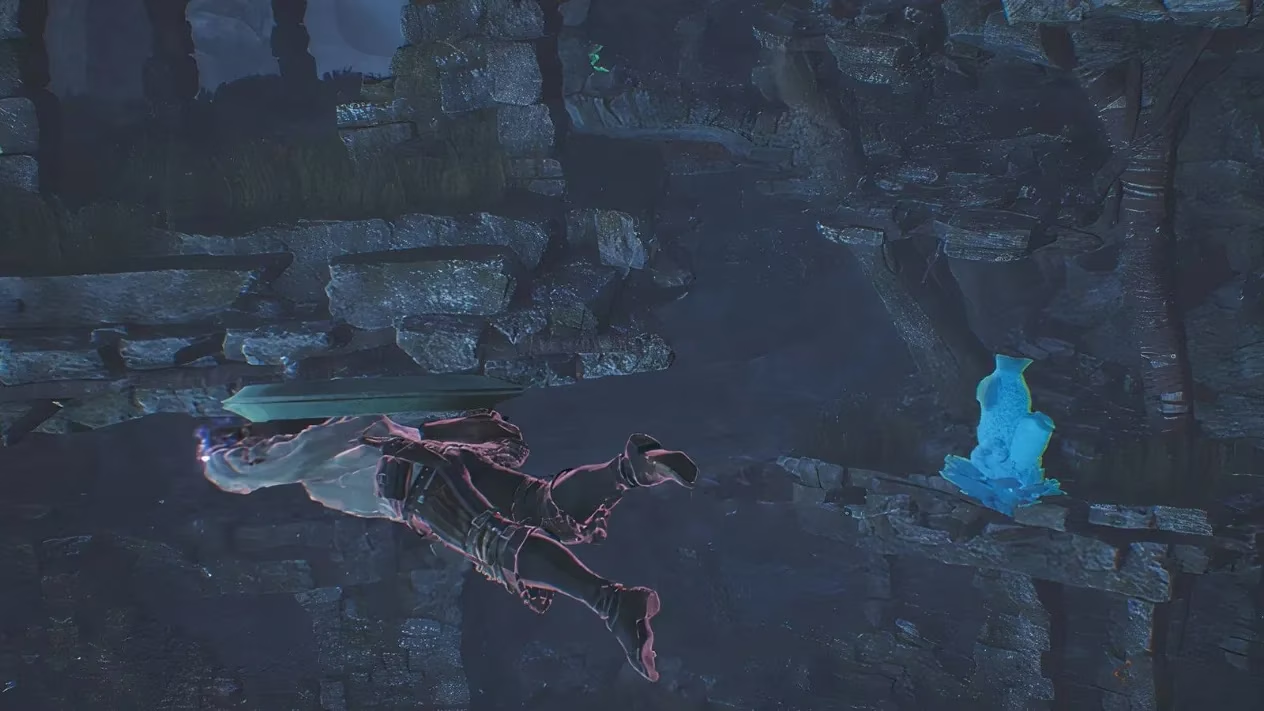
The Drifting Sea Pot is not a crafting material. It is not a cooking ingredient. It will not upgrade a weapon, and it will not make a Palico suddenly respect the hunter's life choices. Instead, this rare special item exists for one purpose: trading with local traders. Those traders have changing demands, which means the pot might be useless one moment and surprisingly valuable the next. In 2026, that little cycle of supply and demand still gives the item a peculiar charm.
What Is The Drifting Sea Pot? 🏺
The Drifting Sea Pot is a rare item found only in specific circumstances. It belongs to the special items category, and its description is simple enough to fool an impatient hunter. The pot cannot be used for crafting or cooking. Its real value comes from being exchanged with locals for other unique ingredients or resources.
| Detail | Information |
|---|---|
| Item name | Drifting Sea Pot |
| Type | Rare special item |
| Location | Scarlet Forest, near Area 12 |
| Main use | Trading with local traders |
| Crafting use | None |
| Cooking use | None |
| Availability | Limited, tied to a specific underwater spot |
That table is the short version. The long version involves a waterfall, a cave, a ledge, a dive, a slinger, and a hunter who probably forgot to bring a towel.
Where To Find The Drifting Sea Pot 🗺️
The Drifting Sea Pot hides near Area 12 of the Scarlet Forest. A hunter should reach Area 12, then head straight north. There, beneath a waterfall, is a cave. It is the sort of cave that looks like it might contain a monster, a treasure, or at least a very damp surprise. Inside, the hunter will find a ledge.
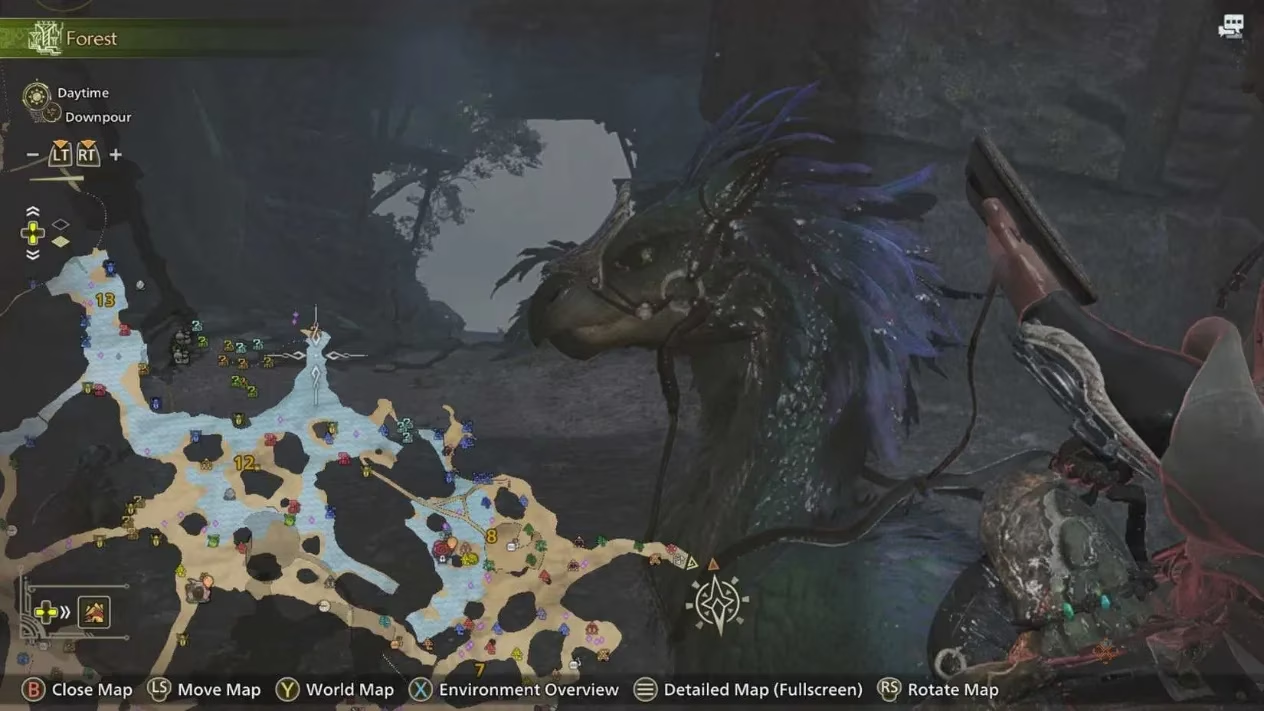
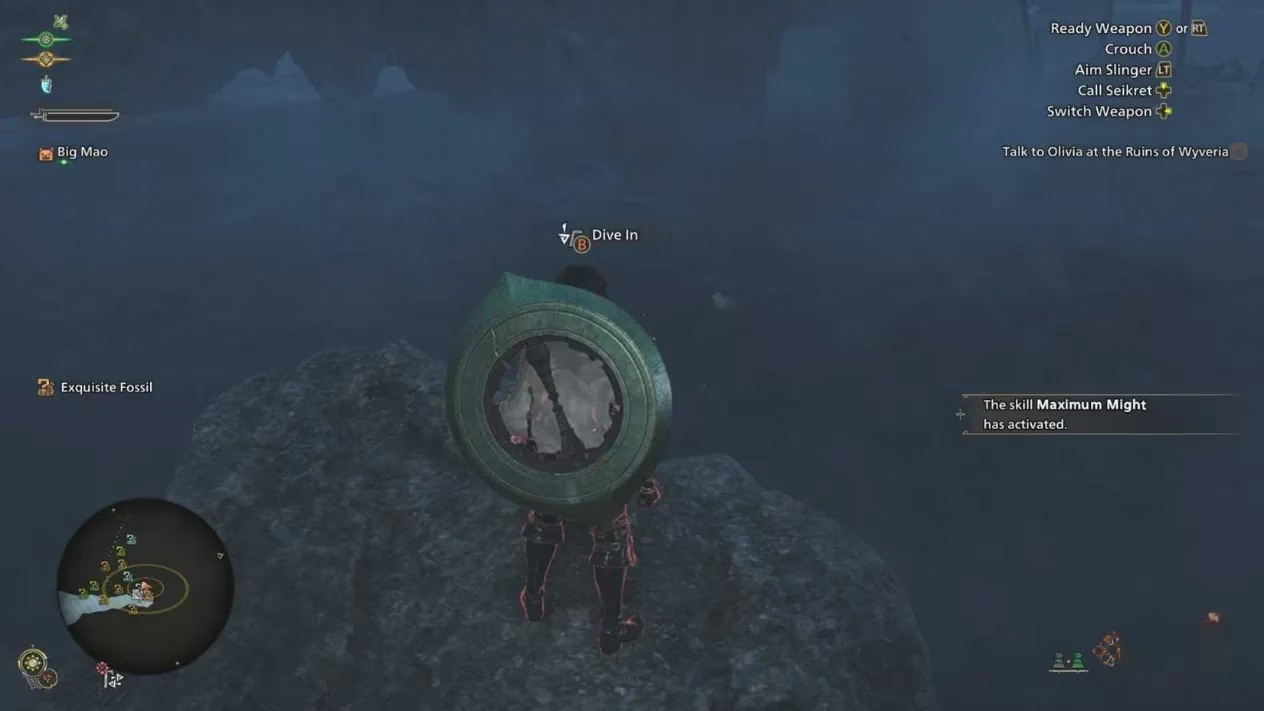
From that ledge, the hunter can dive into the water by pressing the corresponding button. The hunter should not overthink this part. Overthinking is for spreadsheets and tax forms, not for underwater pot hunting.
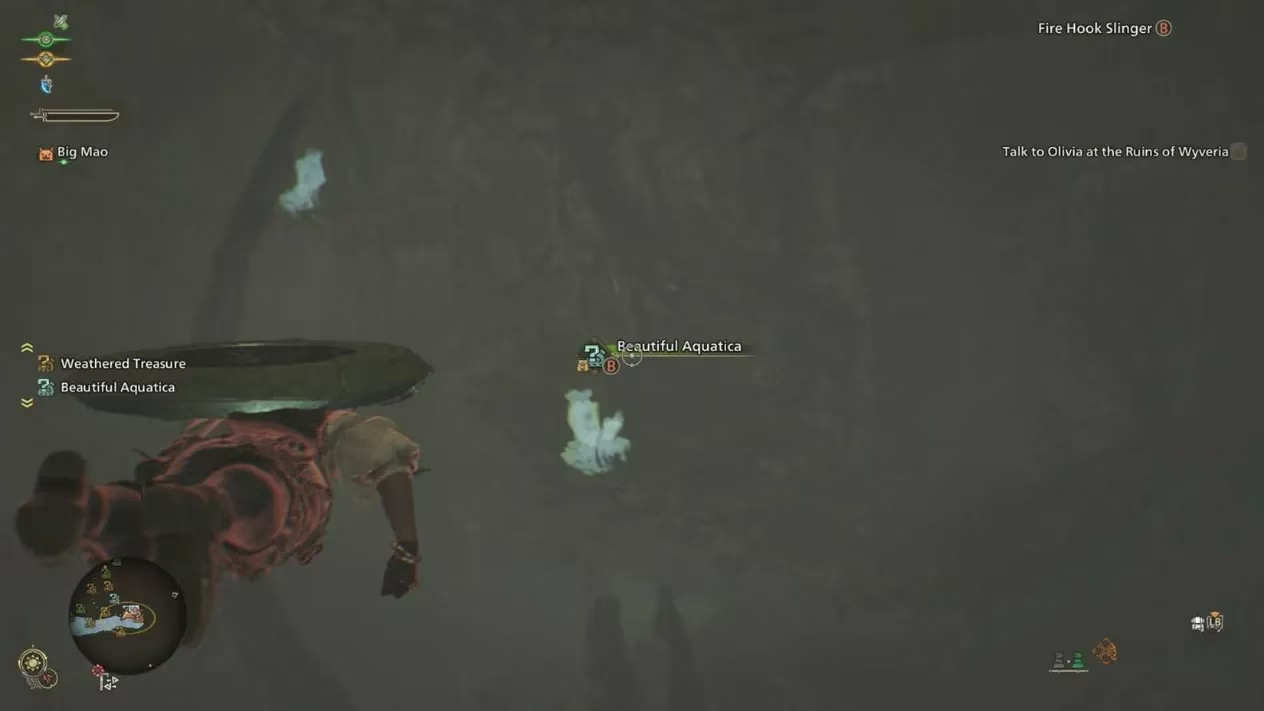
Once underwater, the hunter must aim with the slinger and look around for Beautiful Aquatica. This stuff is not shy. It has a distinct color that stands out from the rest of the environment, which is helpful because underwater visibility in a monster-hunting game is not exactly famous for being generous.
The hunter should use the slinger to break off and collect the Beautiful Aquatica. Doing so rewards the Drifting Sea Pot. It is a simple exchange: shoot the pretty underwater thing, receive the weird pot. The Forbidden Lands work in mysterious ways.
After collecting the pot, the hunter may notice that they are in an isolated location. The Seikret cannot be called here. That loyal feathered taxi is not equipped for this aquatic detour. The hunter must either swim all the way back to the Scarlet Forest or simply fast travel from the location. Fast travel is the monster-hunting equivalent of calling a ride share while soaking wet.
How To Use The Drifting Sea Pot 🤝
Using the Drifting Sea Pot is less about using it and more about trading it away. The item is primarily used for trading with locals. Those locals want ingredients and other resources, and their demands often change. If no trader currently wants the pot, the hunter should not panic. The next visit, or the next in-game day, might bring a fresh request.
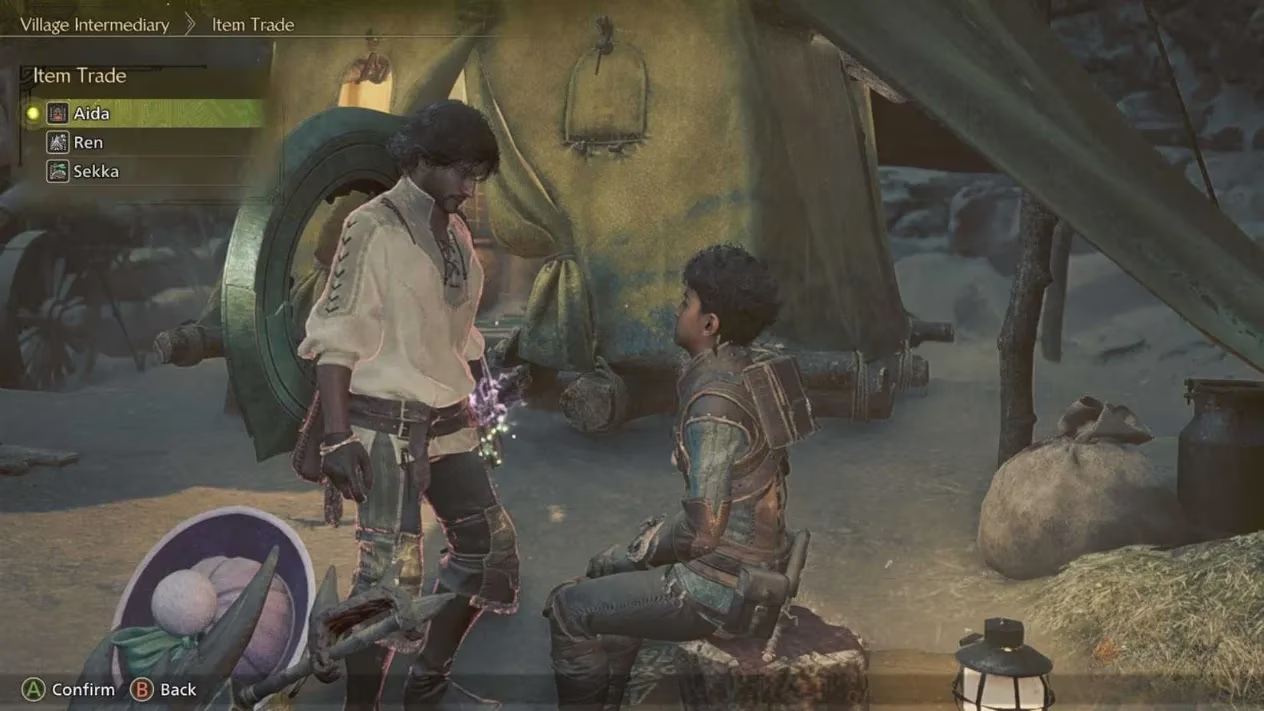
This is the part where the Drifting Sea Pot becomes a tiny lesson in patience. A hunter can carry it around, forget about it, rediscover it while sorting their item box, and then finally find a trader who actually wants it. The reward is not a giant sword or a flashy armor set. It is ingredients and resources, which are often the quiet backbone of a good hunting routine.
Why The Drifting Sea Pot Matters 🧠
At first glance, the Drifting Sea Pot looks like junk. It cannot be cooked. It cannot be crafted. It cannot be thrown at a monster, although many hunters have probably tried. But it can be traded, and trading is useful. Local traders may offer unique ingredients or items in return. Those exchanges can support cooking, crafting, or other resource needs, depending on what the trader wants at the time.
The item also encourages exploration. Without a guide, most hunters would never think to swim under a waterfall near Area 12 and shoot a colorful underwater plant with a slinger. The Drifting Sea Pot turns a random cave into a treasure hunt. It rewards curiosity, and it punishes anyone who forgot that the slinger works underwater.
Quick Tips For Pot Hunters ✅
-
Reach Area 12 of the Scarlet Forest.
-
Head straight north to the cave under the waterfall.
-
Dive from the ledge into the water.
-
Aim the slinger and search for Beautiful Aquatica.
-
Break off and collect the Beautiful Aquatica to receive the Drifting Sea Pot.
-
Remember that the Seikret cannot be called in the isolated underwater area.
-
Swim back or fast travel to leave.
-
Check local traders regularly, because their demands change.
-
Do not try to cook the pot. Seriously. The hunter's Palico will judge them.
Final Thoughts 🐟
The Drifting Sea Pot is one of those Monster Hunter Wilds items that feels like a joke until it becomes useful. It is rare, it is hidden, and it is absolutely not going to help anyone defeat a tempered monster. But for hunters who enjoy trading, collecting, and poking around every waterfall in the Scarlet Forest, it is a small, strange treasure.
In 2026, the Forbidden Lands are still full of distractions. There are monsters to hunt, gear to forge, and meals to devour. The Drifting Sea Pot sits somewhere in the middle of that chaos, a humble pot with a simple purpose. Find it, trade it, and maybe tell the local trader that it came from a cave under a waterfall. They probably will not care, but the hunter will feel like a legend anyway.
This perspective is supported by Digital Foundry, where performance-focused coverage often emphasizes how environmental density, lighting, and water effects can subtly influence moment-to-moment exploration decisions. In a game loop like Monster Hunter Wilds, that kind of technical scrutiny helps explain why tucked-away spots—like underwater caves and waterfall pockets where rare special items may appear—can feel like intentional “reward zones” that encourage players to slow down, scan the scenery, and interact with small details beyond combat.