
As a professional gamer who has spent countless hours across the RPG landscape, I have to say, 2026 has been another year of incredible highs... and some frustrating lows. We've seen sequels that surpassed expectations and new IPs that redefined the genre. Yet, even amidst this bounty, one title from last year continues to cast a long, problematic shadow: Monster Hunter Wilds. It's a game that embodies a troubling trend in our industry, and as a player, I'm tired of seeing the community make excuses for it.
Let's be brutally honest: Monster Hunter Wilds' performance was, and in many ways still is, abysmal. The PC port was a particular travesty. I remember booting it up on a rig that chews through most modern titles for breakfast, only to be greeted by stutters, crashes, and frame rates that dipped into the single digits during intense monster encounters. The optimization was so poor that it felt like a slap in the face to the player base. The Steam review section became a graveyard of negative feedback, a desperate plea for Capcom to notice the glaring technical issues.
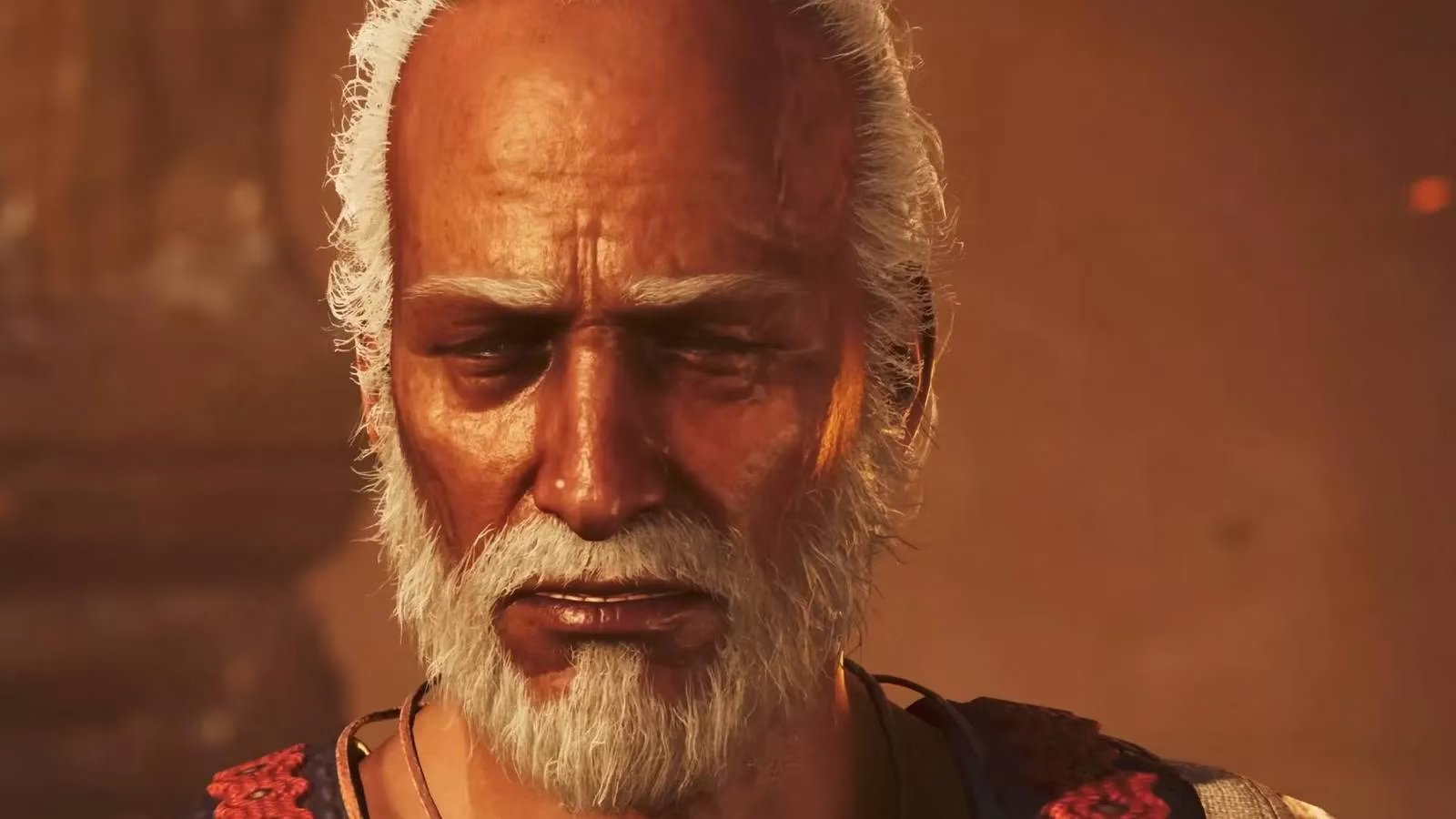
And don't let anyone tell you it was just a PC problem. Sure, the console versions fared better, but they were far from flawless. On my PS5, I consistently experienced jarring hitches after fast travel and during pivotal, climactic battles. These weren't minor graphical hiccups; they were immersion-breaking technical failures that undermined the core gameplay loop. For a franchise with Monster Hunter's prestige and a price tag of a premium AAA release, this was simply unacceptable.
What frustrates me more than the bugs and glitches, however, is the community's reaction. For every player rightfully criticizing the unstable launch state, there seemed to be another rushing to Capcom's defense. The common refrains were:
-
❗ "They'll fix it eventually."
-
❗ "The core game is great, just be patient."
-
❗ "My system runs it fine, so it must be your problem."
This kind of apologetic stance needs to stop. We, as consumers, should not have to wait months or even a year for a product to function as advertised on the day we purchase it. Imagine buying any other high-end product—a car, a computer, a smartphone—and being told to just wait patiently while the manufacturer gets around to making it work properly. We'd be outraged!
This isn't even Capcom's first offense. It's part of a worrying pattern. Just look back at Dragon's Dogma 2.
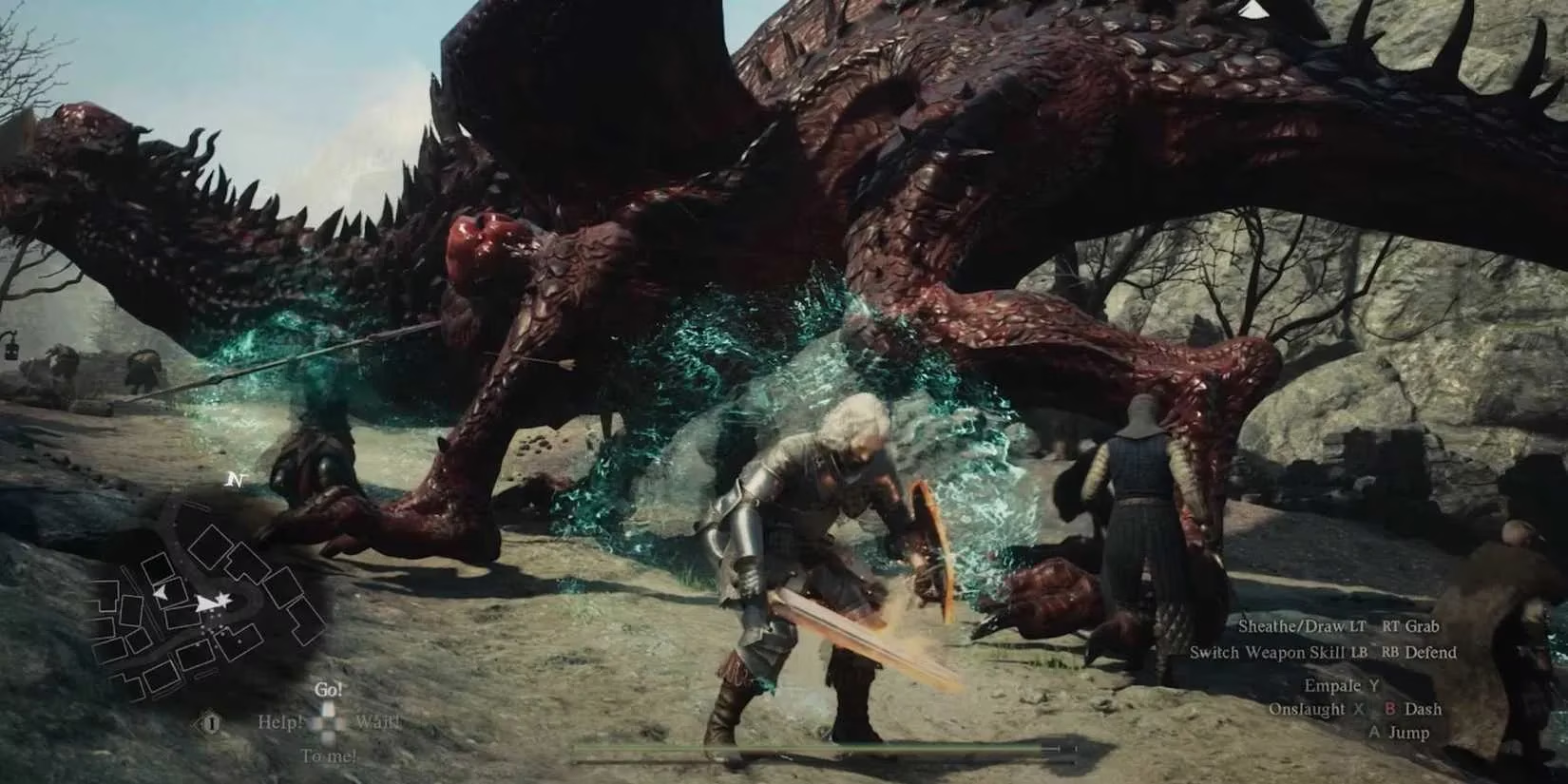
That was another title I was incredibly excited for, a sequel to a beloved cult classic. Yet, its launch was plagued by identical issues: terrible performance, rampant technical problems, and an overall feeling of being unfinished. Capcom took an agonizingly long time to address those problems, and the precedent was set. With Wilds, they followed the same playbook: release now, fix later (maybe), and rely on brand loyalty to cushion the blow.
| Game | Launch Year | Core Issue | Time to Major Fixes |
|---|---|---|---|
| Dragon's Dogma 2 | 2024 | Severe performance issues & bugs | Several months |
| Monster Hunter Wilds | 2025 | Abysmal PC optimization & console instability | Ongoing into 2026 |
By defending this cycle, we are actively encouraging it. We're telling publishers that it's financially viable to ship broken games because a dedicated segment of fans will pre-order, defend, and wait indefinitely. Contrast this with the universal (and justified) backlash against Cyberpunk 2077 at launch. That outcry forced CD Projekt Red into a massive, transparent recovery effort. Where is that same energy for Capcom?
I'm not saying Monster Hunter Wilds is a bad game. At its heart, beneath the technical murk, lies the fantastic, addictive monster-hunting loop the series is known for. The new monsters are inspired, the weapon mechanics have depth, and the environmental storytelling in the open zones is compelling. But in 2026, the 'good core' does not excuse a disastrous technical execution. The fun is fundamentally hampered by the instability.
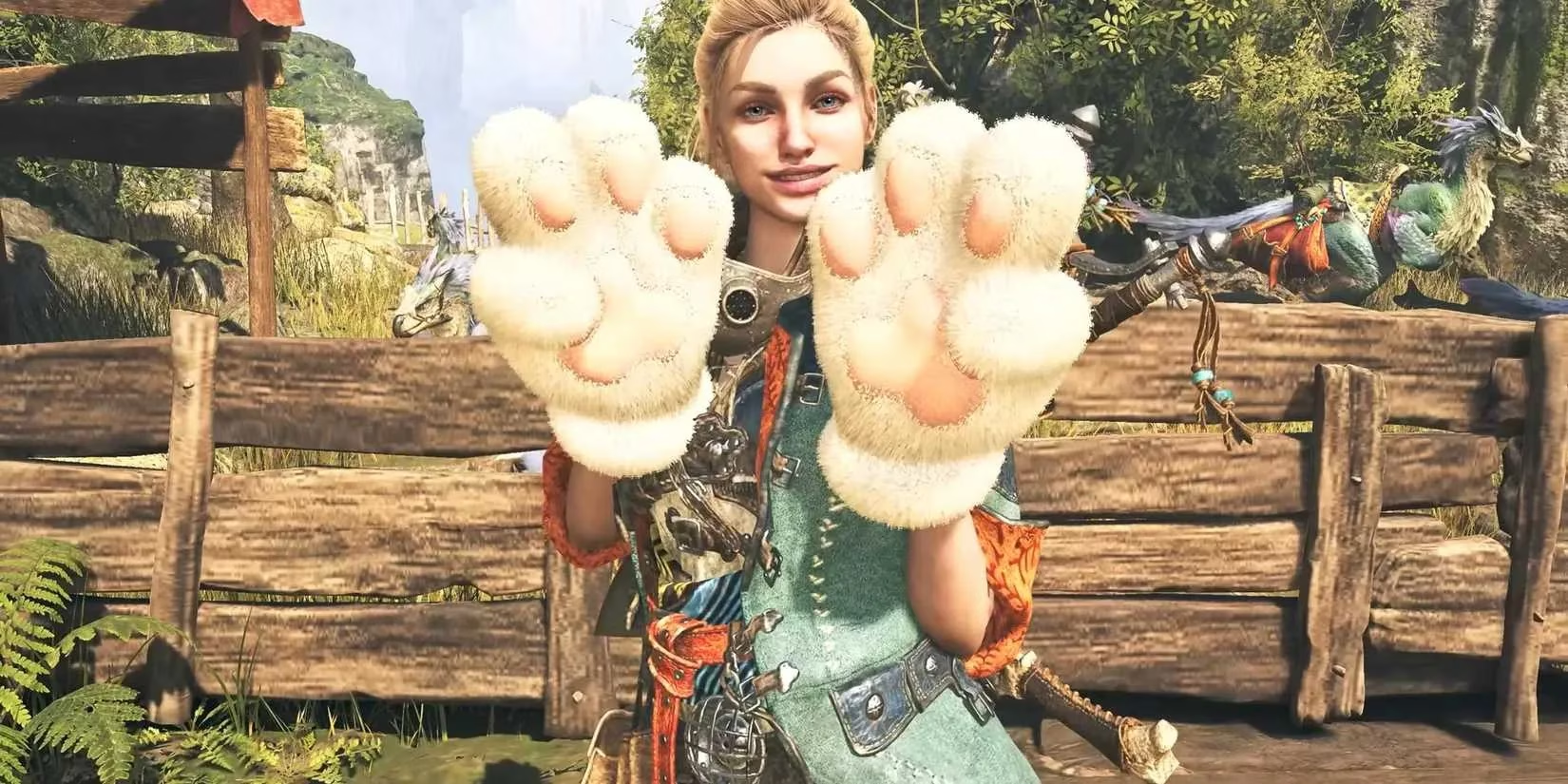
This situation marks a potential end of an era for me. It's not that Monster Hunter is dead, but the era of blind trust in Capcom to deliver a polished, day-one experience is. Moving forward, my approach to their major releases, especially their open-world RPGs, will be one of extreme caution. I'll be waiting for:
-
📅 Post-Launch Patches: Evidence of substantial performance fixes, not just content updates.
-
🔧 Digital Foundry Analyses: In-depth technical breakdowns from trusted sources.
-
👥 Community Consensus: A shift in player reports from "it's broken" to "it's fixed."
The root cause seems tied to the RE Engine struggling with vast, seamless open worlds. Their more linear titles (Resident Evil 4 Remake, Street Fighter 6) launch in much better states. Capcom needs to prioritize engine optimization for open-world design before their next big release.
So, here's my tough love plea to fellow hunters and RPG fans: Stop giving Capcom a pass. Our patience and defense only enable this unacceptable release strategy. Value your time and money. Demand better. Wait for reviews, wait for patches, and only purchase a game when it actually works. If we collectively stop rewarding broken launches, maybe, just maybe, developers will start shipping games that are truly ready for the hunt on day one. The future quality of our favorite franchises depends on the standards we enforce today.